Biosphere Reserve "Karstlandschaft Südharz"

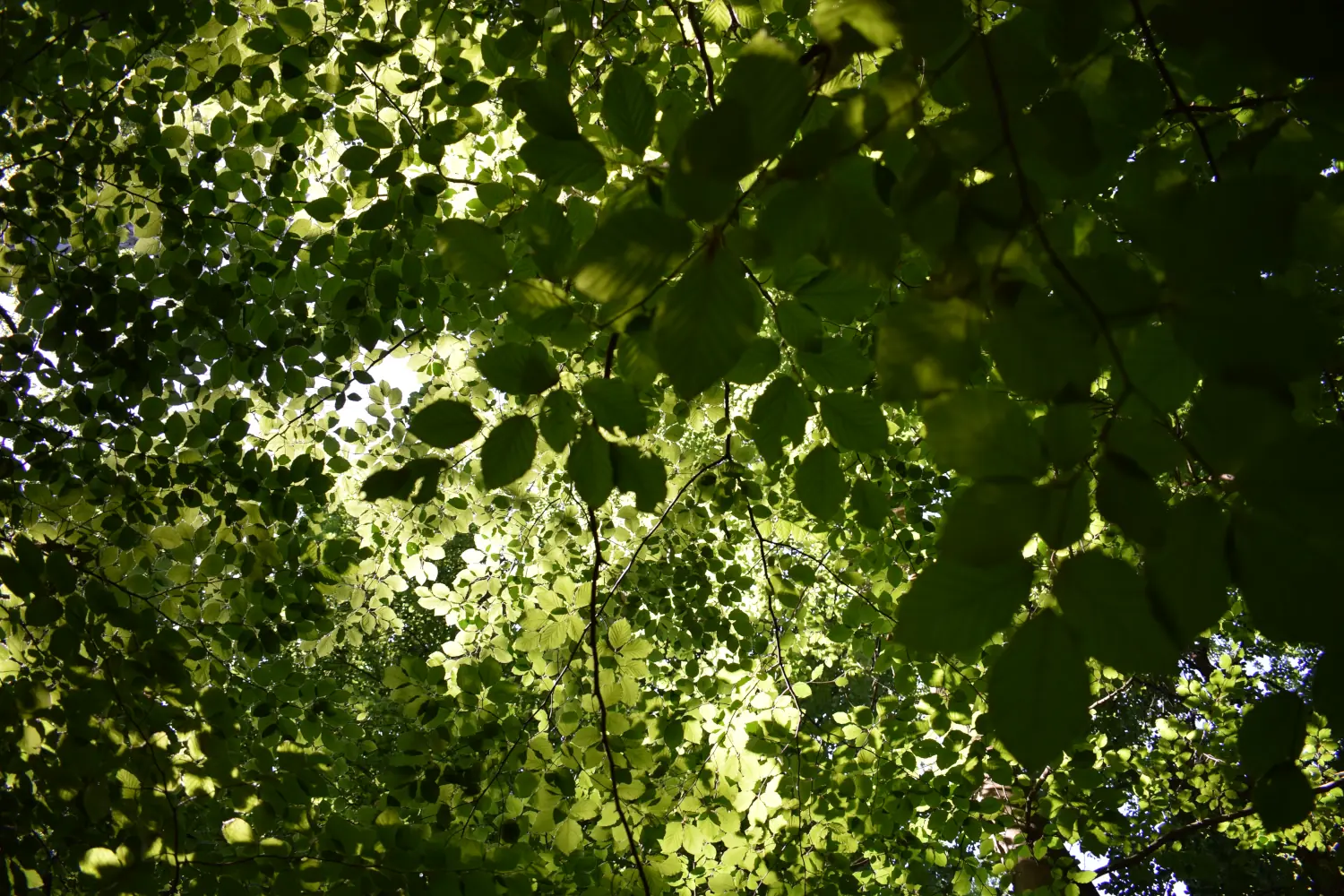
Biosphere Reserve "Karstlandschaft Südharz" - Area 1a

Key feature: Habitat type 9170

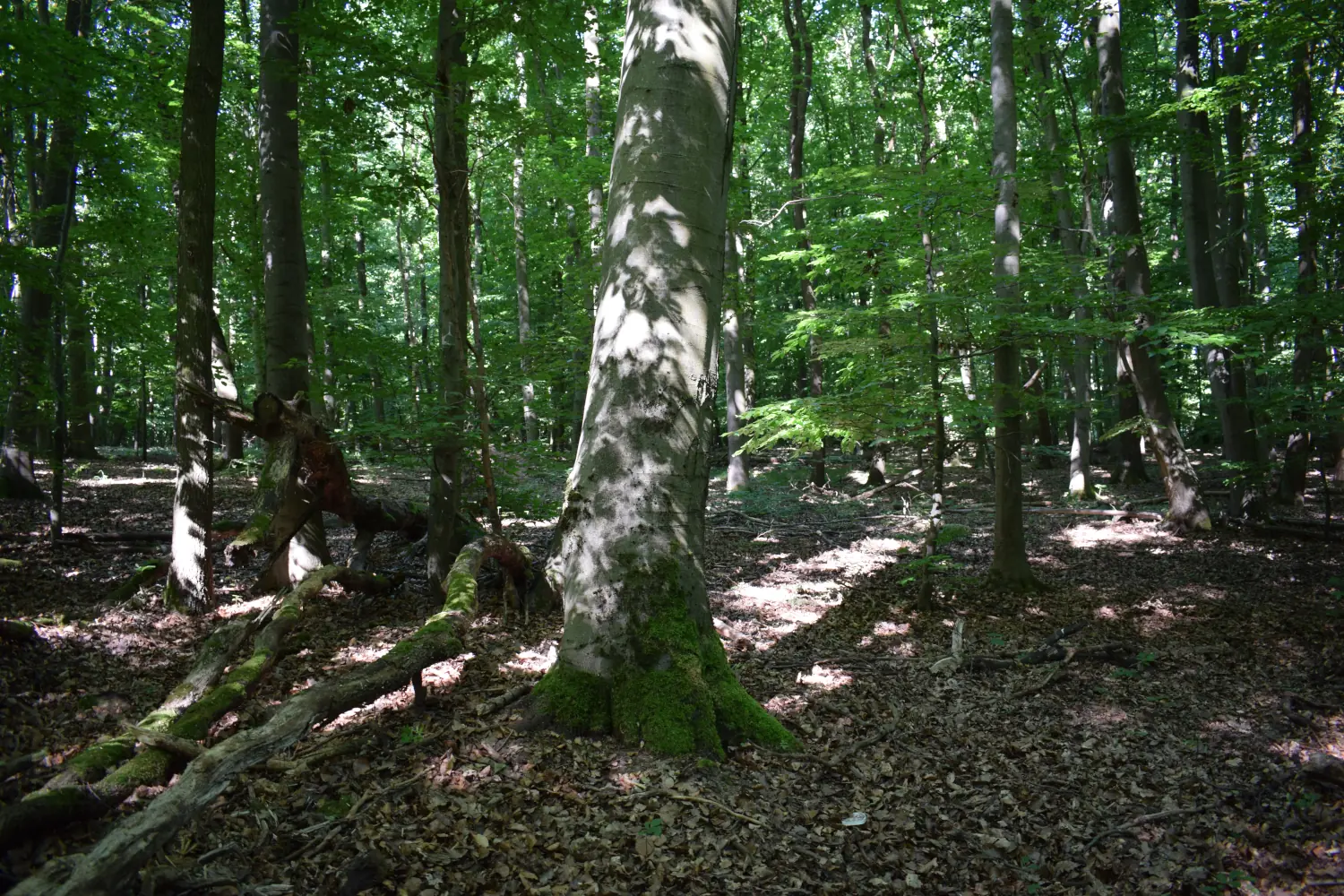
This section of woodland can be assigned to habitat type 9170 (Galio-Carpinetum). This forest type is characterised by the tree species Quercus petraea, Quercus robur, and Carpinus betulus in the tree layer, and by the rather inconspicuous Galium sylvaticum in the herb layer. Galio-Carpinetum is a characteristic forest community in the Central German Dry Region and occurs primarily on dry, warm sites. Other characteristic species that we were able to discover in this section of woodland include Acer pseudoplatanus, Fraxinus excelsior, Anemone nemorosa, and Brachypodium sylvaticum.

You can find more information about the habitat types here

Forest profile

Coverage of deadwood

Large deadwood: standing 0 %, lying down 0 %
Medium deadwood: standing 0 %, lying down 5 %
Fine deadwood: 5 %
Rootstocks: 3 pcs

Number of old trees (BHD > 80cm): 0
Number of habitat trees: 1

Cover tree layers

Tree layer 1: 60 % (Acer pseudoplatanus, Fagus sylvatica, Quercus petraea)
Tree layer 2: 30 % (Fagus sylvatica)
Tree layer 3: 40 % (Acer pseudoplatanus, Fraxinus excelsior, Carpinus betulus, Fagus sylvatica)

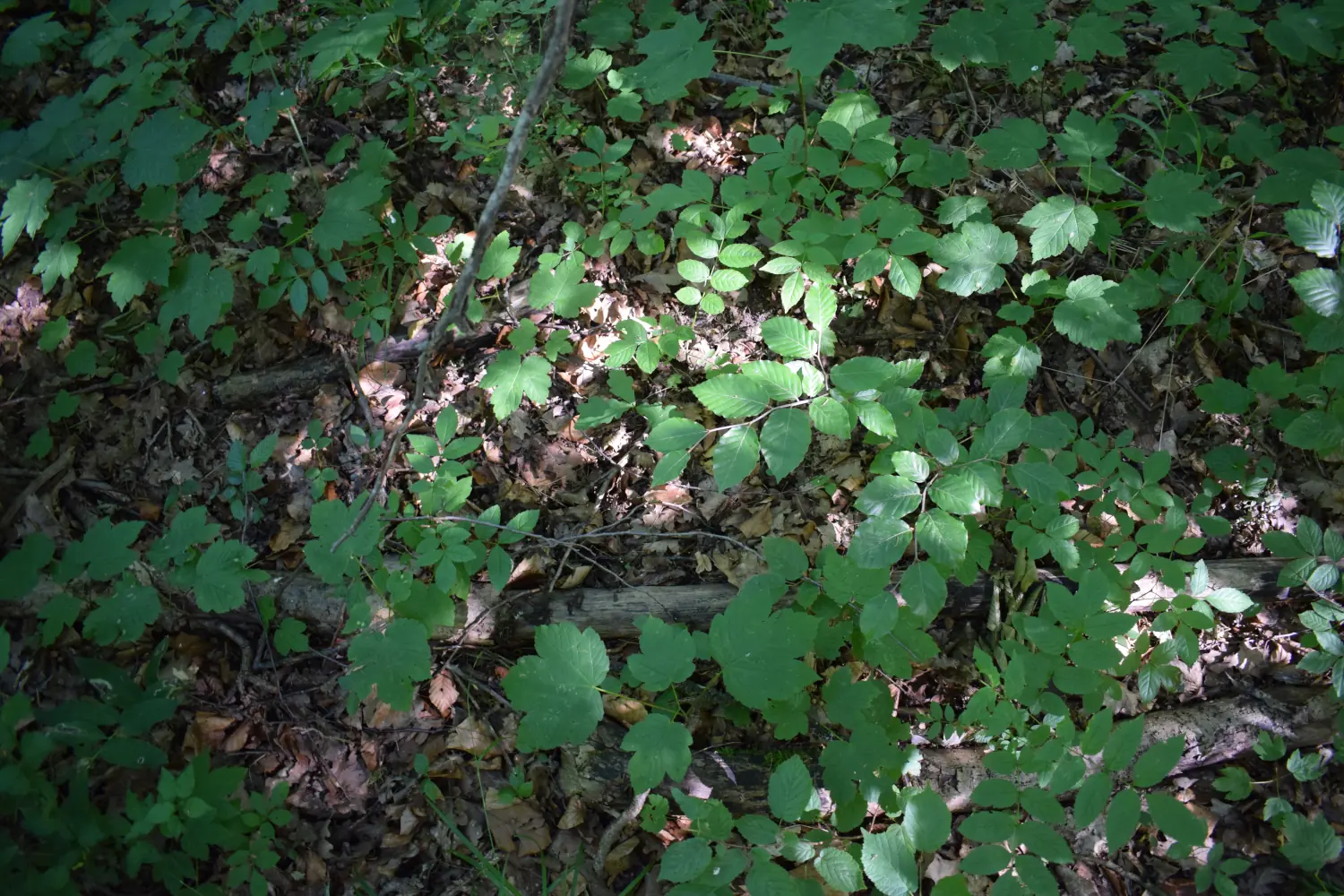
Herb layer: 10 % (Anemone nemorosa, Brachypodium sylvaticum)
Growth classes: 6

Other Information

no impairments found

Relative crown distance: closed
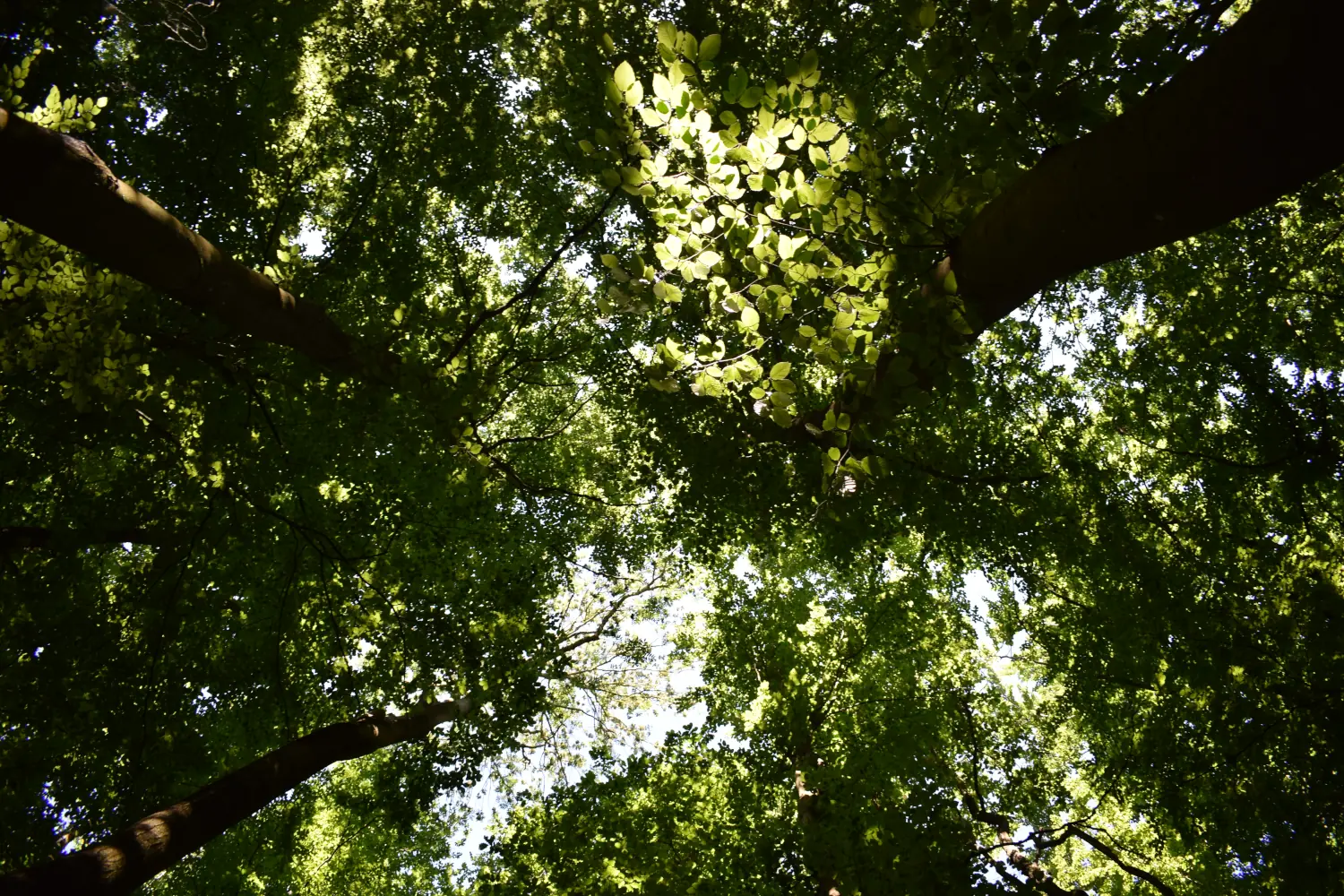
Mean crown defoliation: 39 %
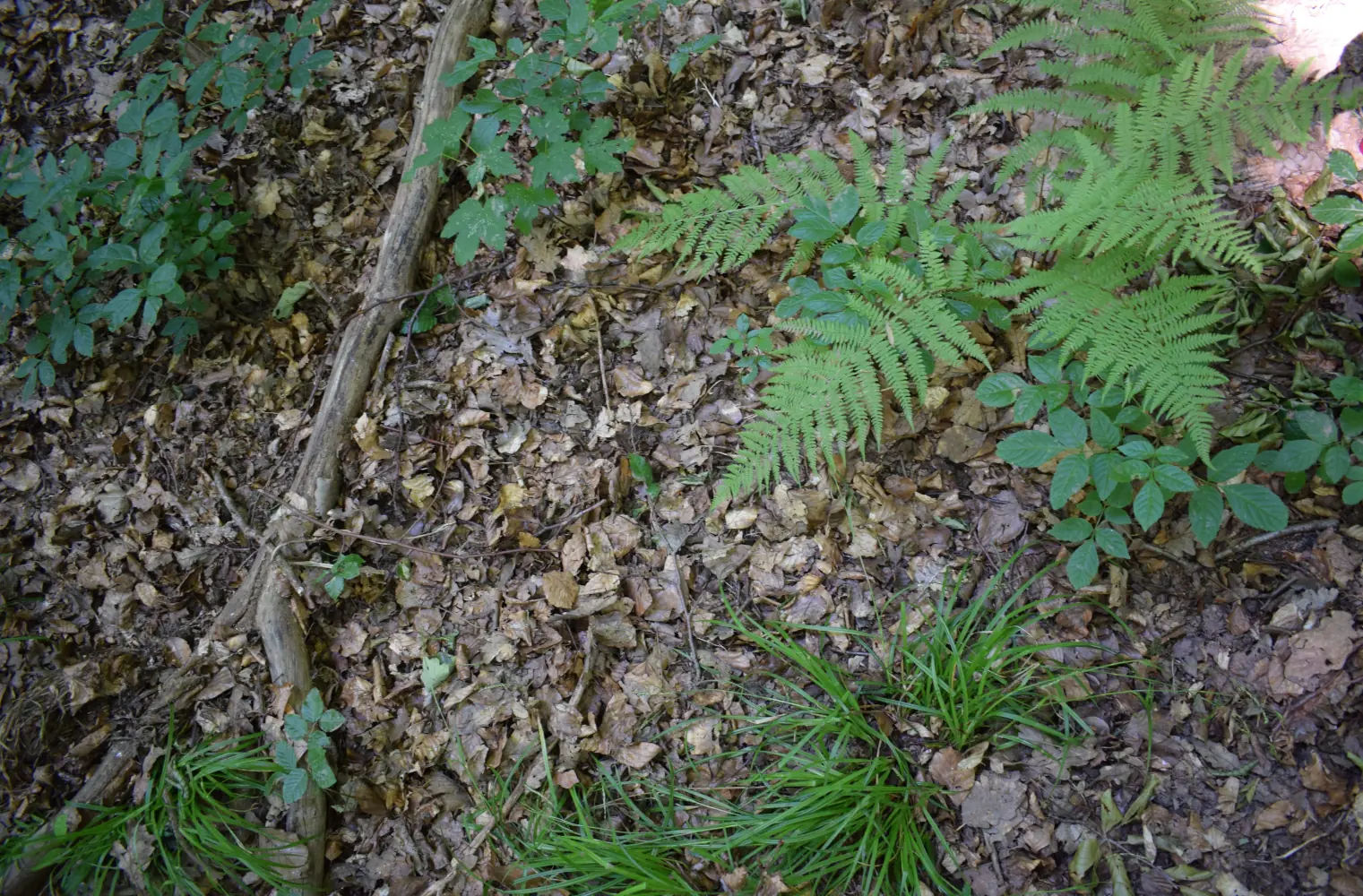
Biosphere Reserve "Karstlandschaft Südharz" - Area 6a

Key feature: Habitat types (explanation)

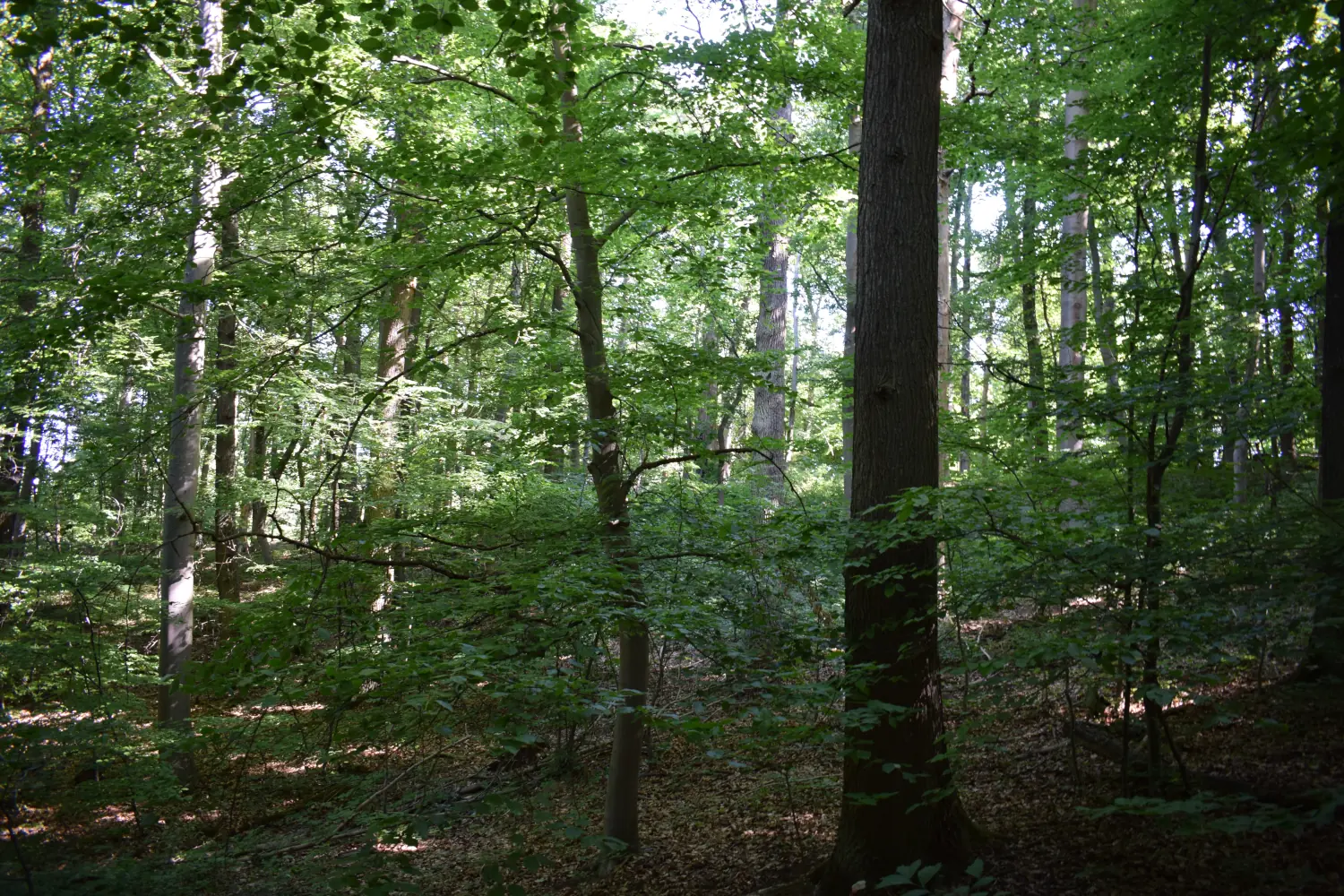
This forest section was assigned to the Natura 2000 habitat type 9130 (Asperulo-Fagetum). But what exactly is a Natura 2000 habitat type? The Habitats Directive (Council Directive 92/43/EEC of 21 May 1992, often referred to as the "FFH Directive") serves to restore, maintain, and promote biological diversity by obliging EU Member States to protect natural habitats and wild animals and plants, in particular through a coherent network of protected areas ("Natura 2000").

Annex I of the Directive lists habitat types of Community interest for which special protected areas are to be designated. Of these habitat types, 93 occur in Germany. In addition to habitat type 9130, we also recorded and photographed areas of LRT 9160 (Stellario-Carpinetum) and LRT 9170 (Galio-Carpinetum) while assessing forests in the MeineWaldKI-model-regions.

You can find more information about the habitat types here.

Forest profile

Coverage of deadwood

Large deadwood: standing 0 %, lying down 0 %
Medium deadwood: standing 0 %, lying down 5 %
Fine deadwood: 10 %
Rootstocks: 5 pcs

Number of old trees (BHD > 80cm): 0
Number of habitat trees: 0

Cover tree layers

Tree layer 1: 85 % (Fagus sylvatica, Quercus petraea)
Tree layer 2: 5 % (Fagus sylvatica)
Tree layer 3: 10 % (Fraxinus excelsior, Fagus sylvatica, Quercus petraea)

Herb layer: 5 %
Growth classes: 5

Other Information

no impairments found

Relative crown distance: crowded to closed
Mean crown defoliation: 45 %