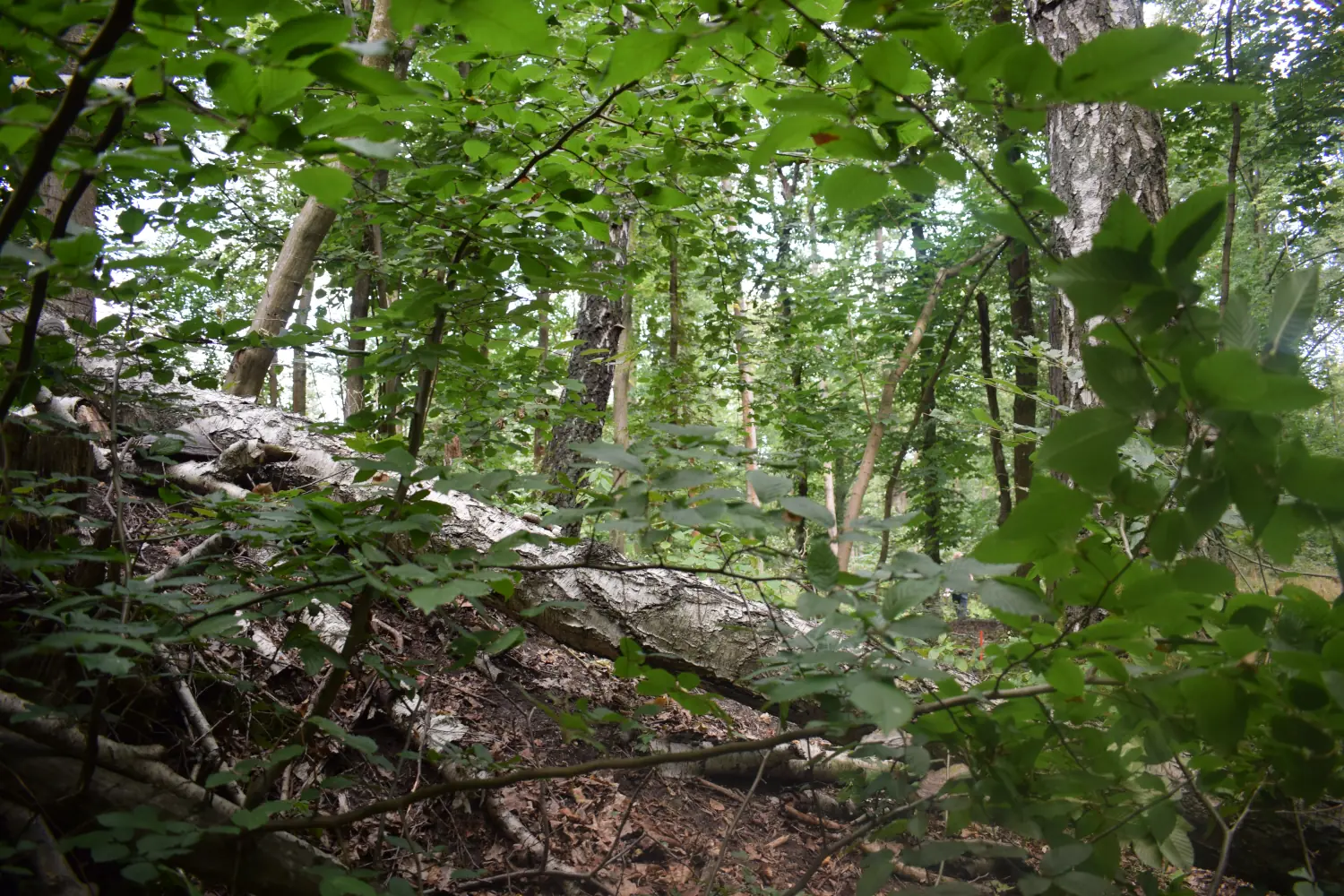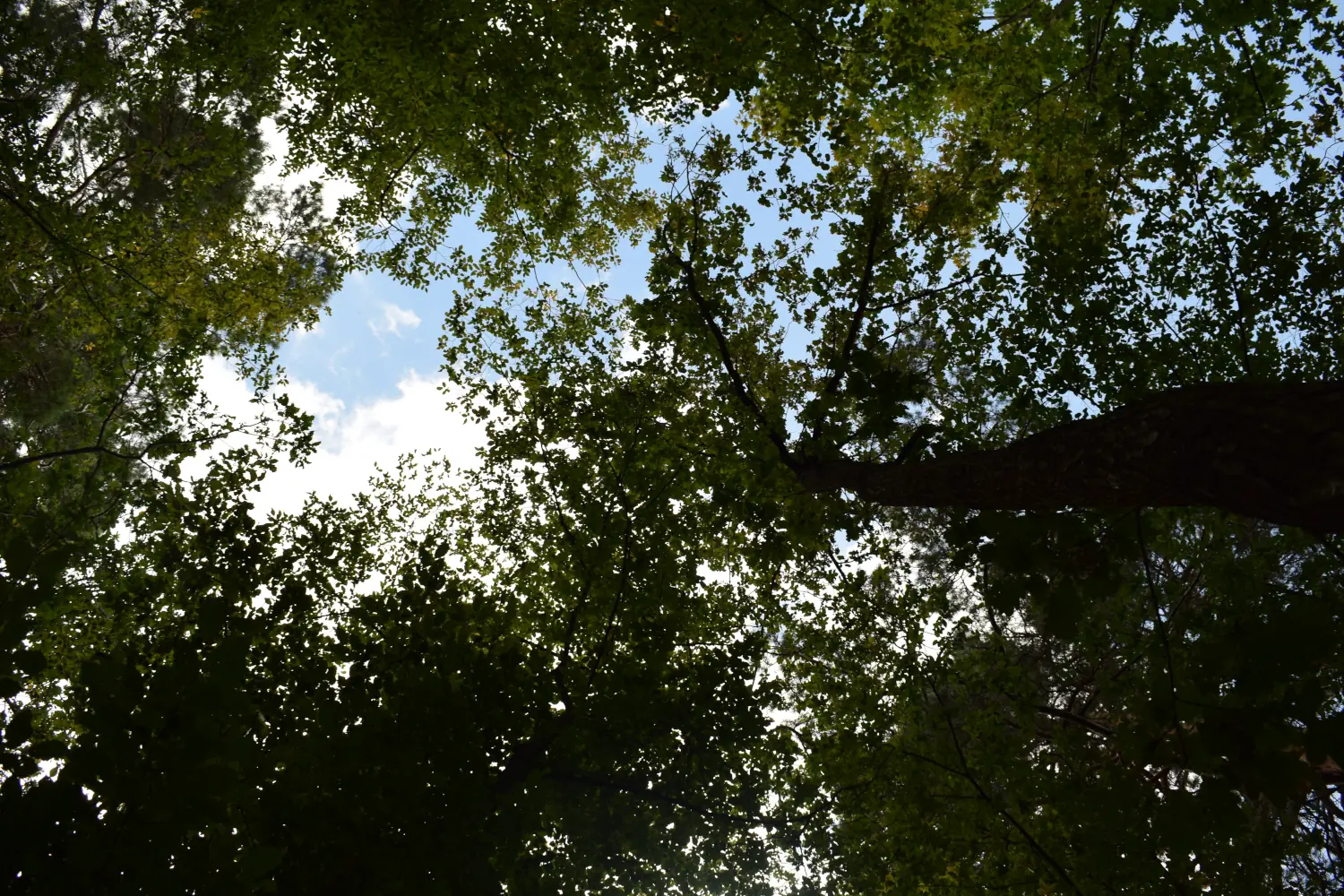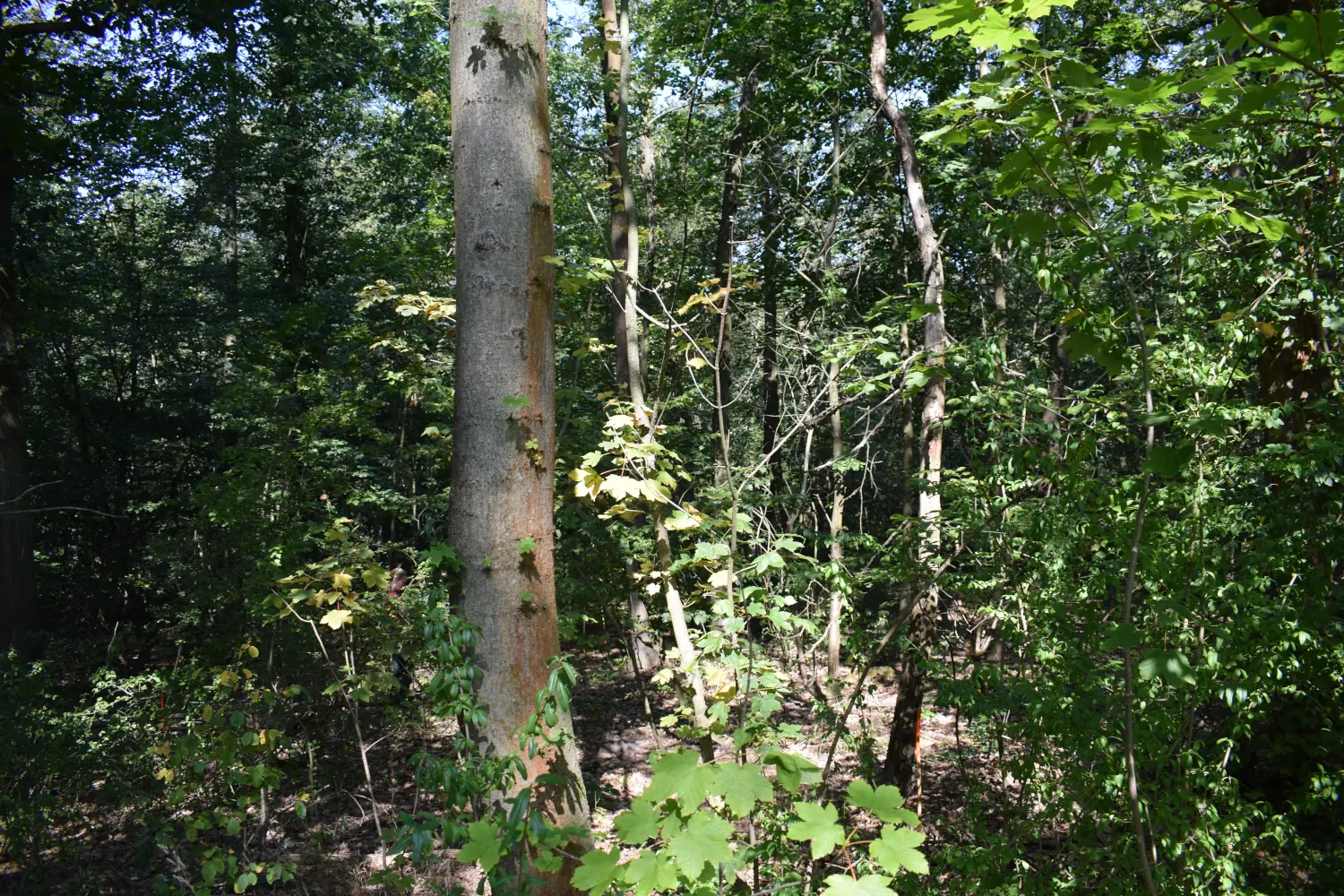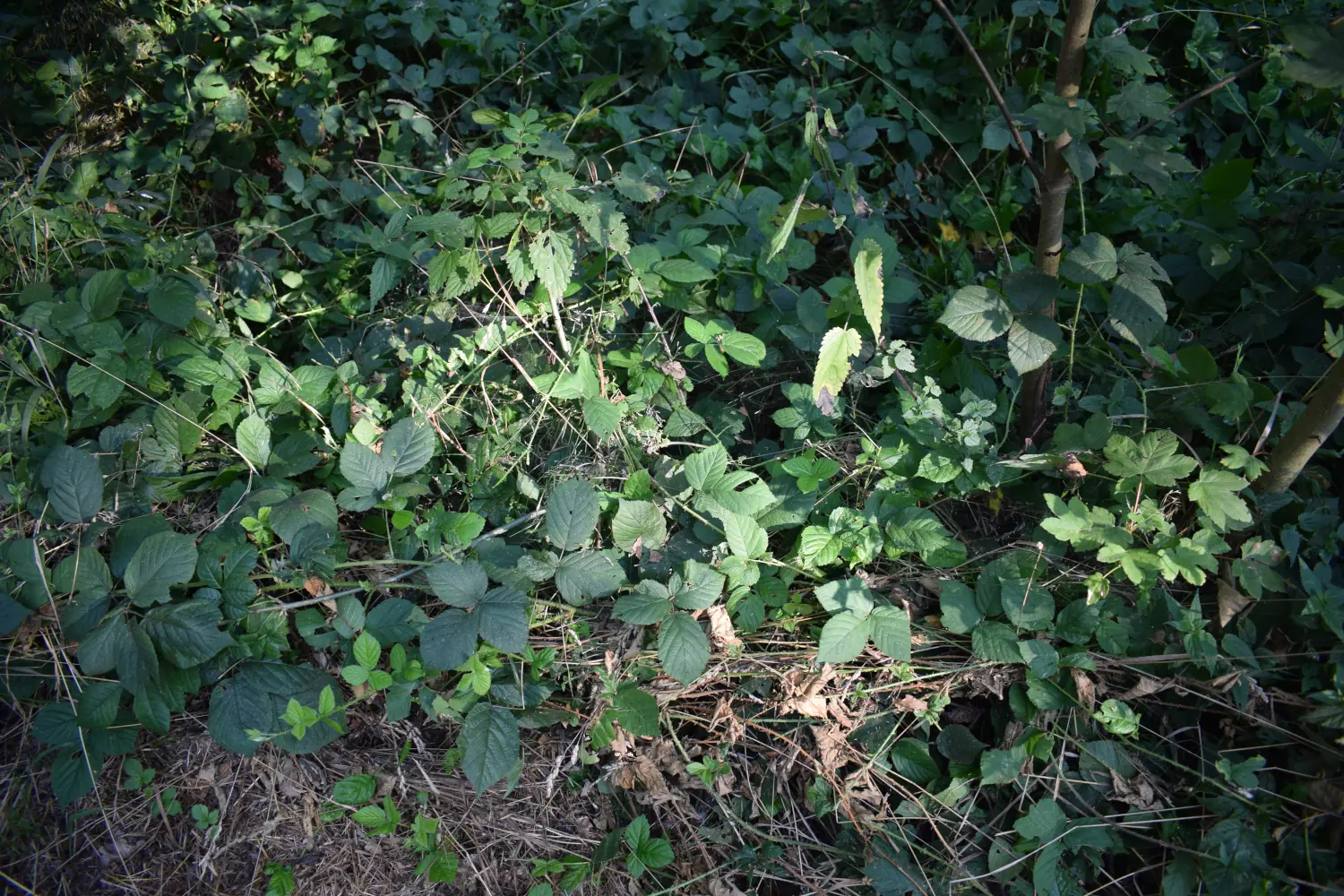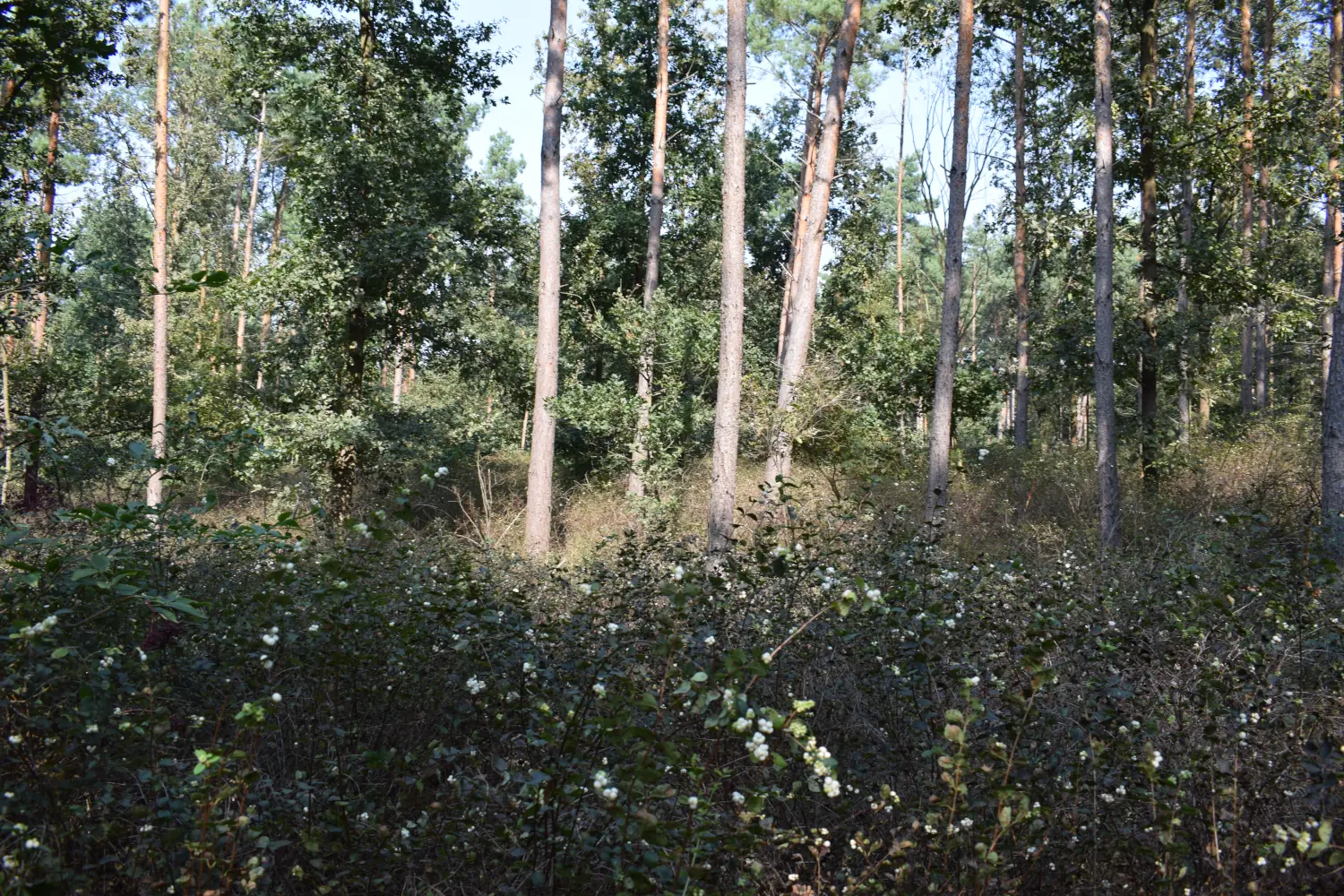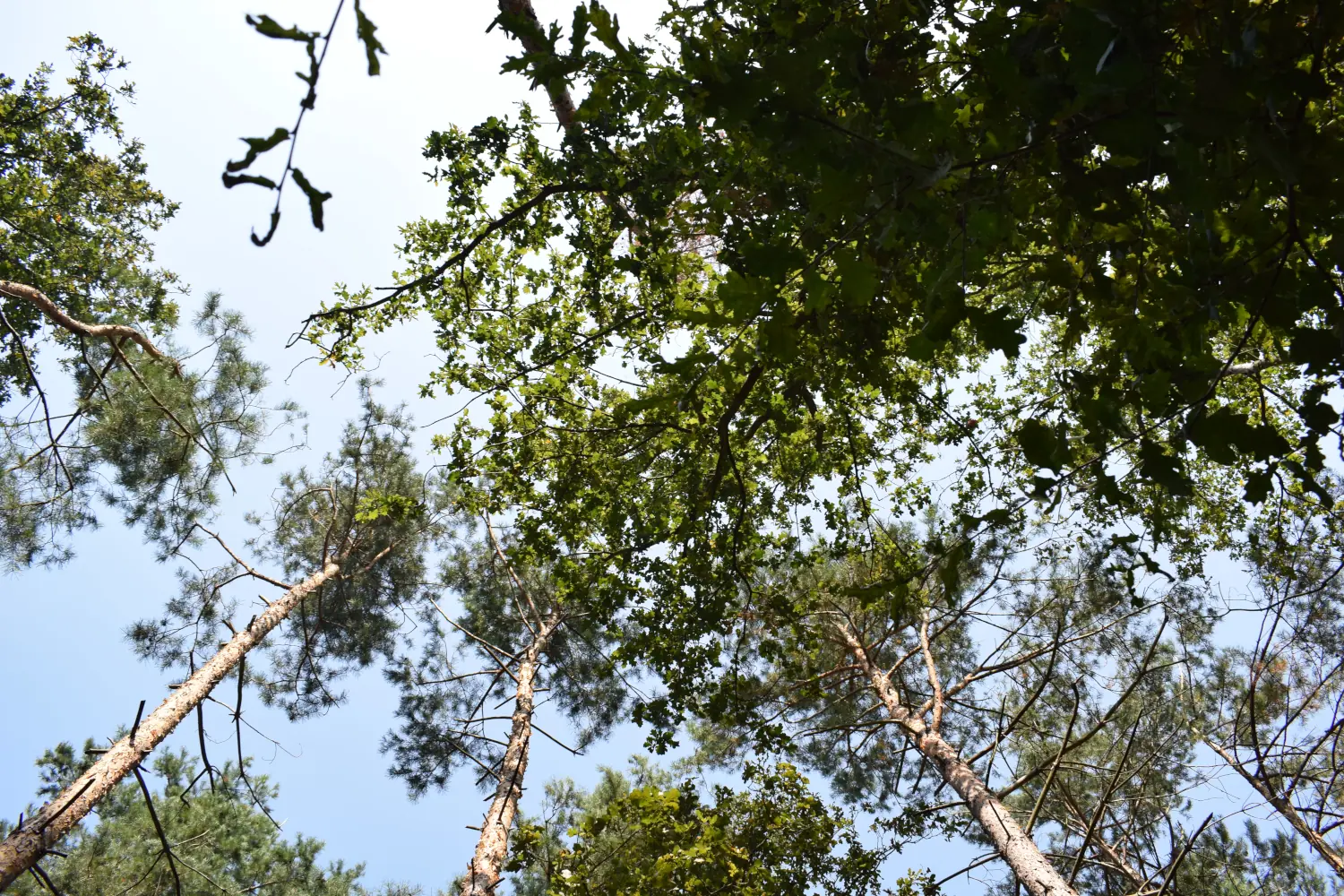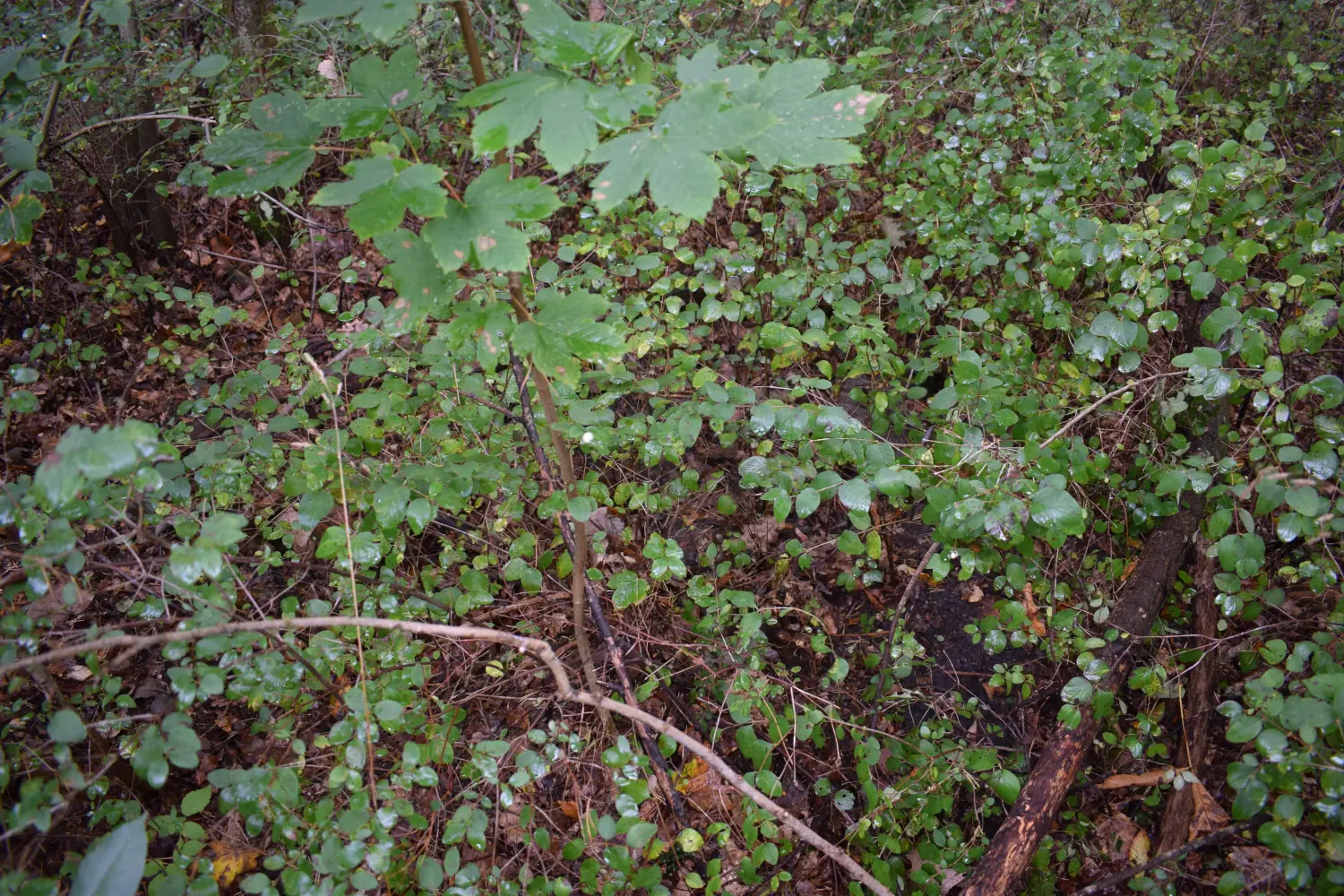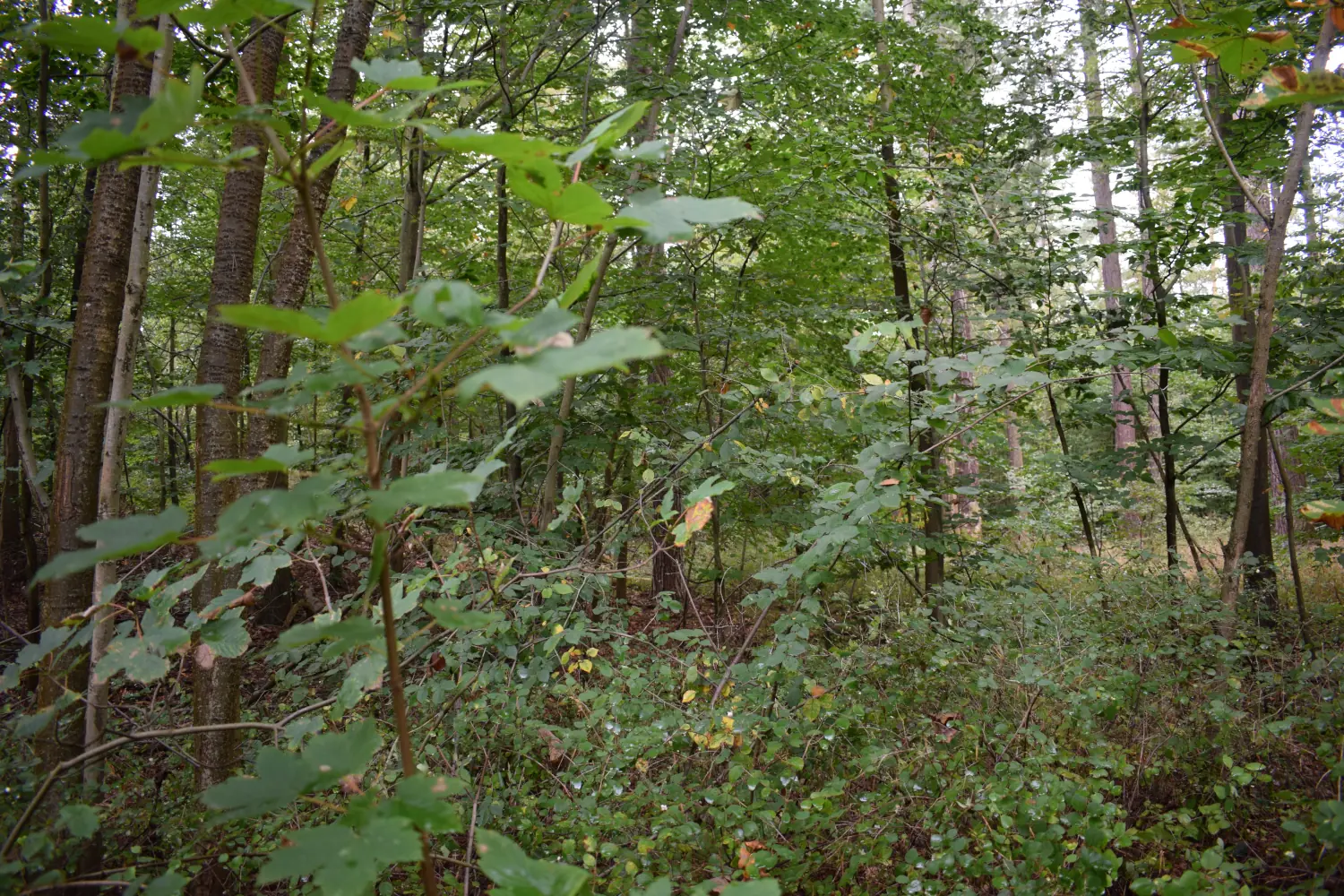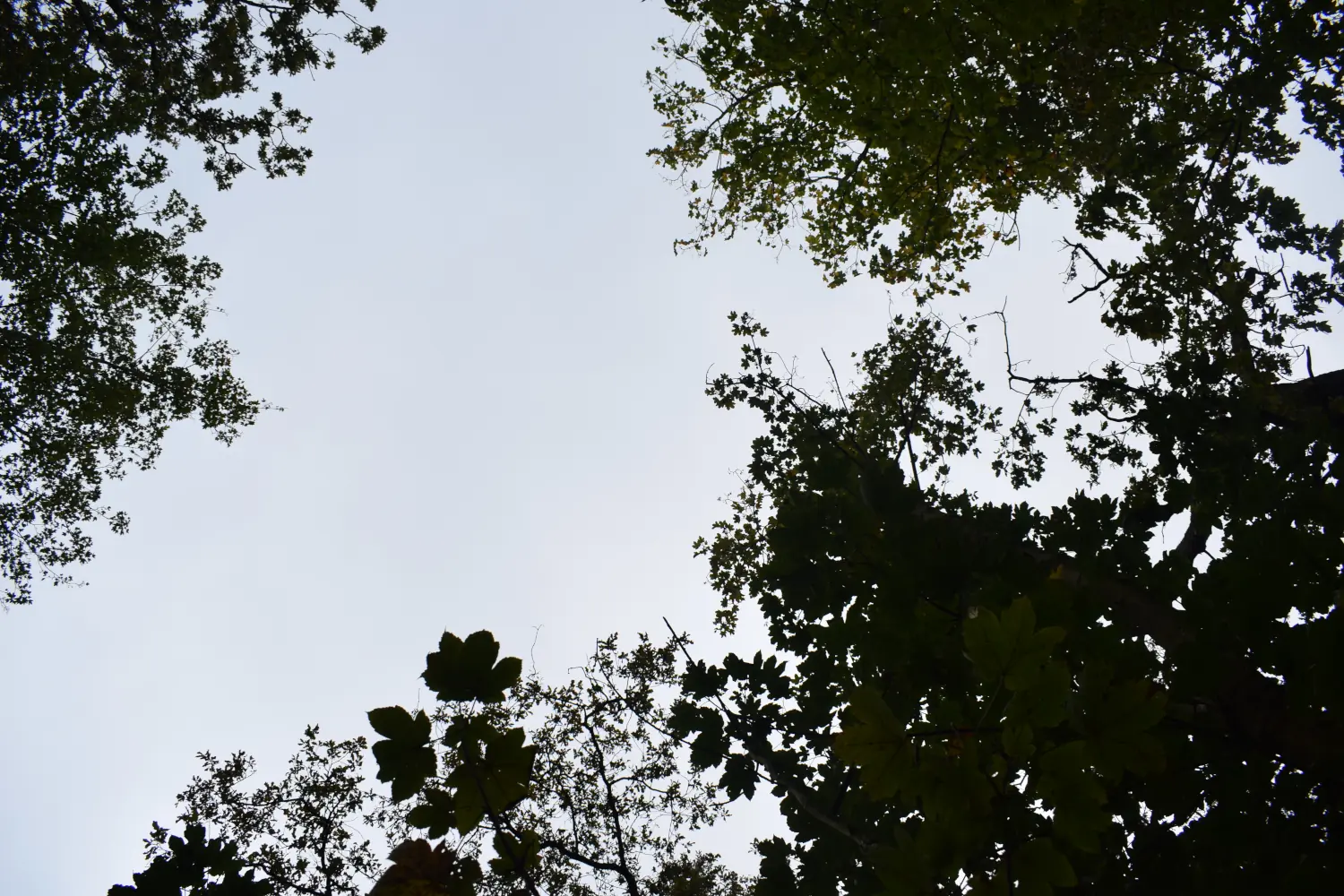
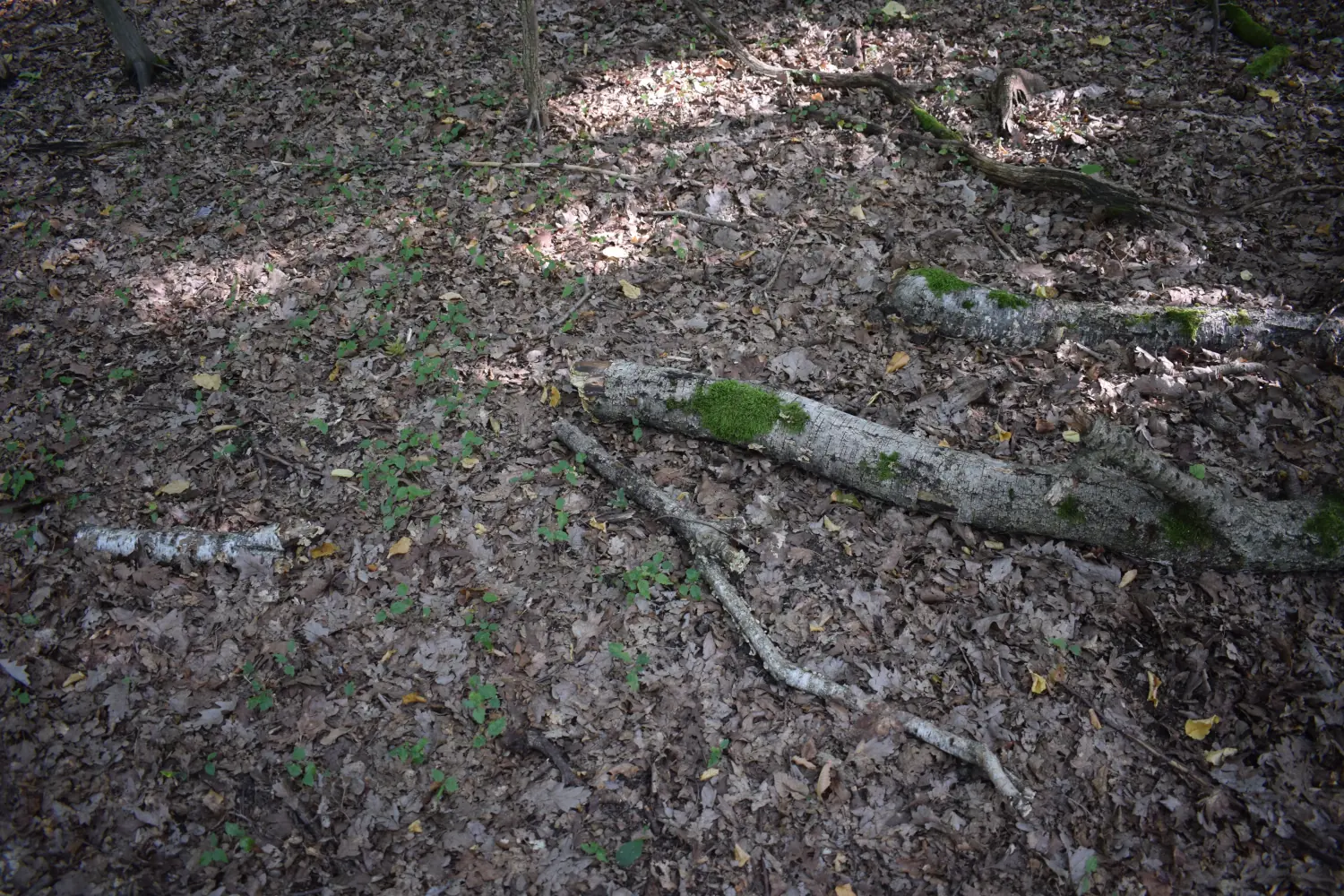
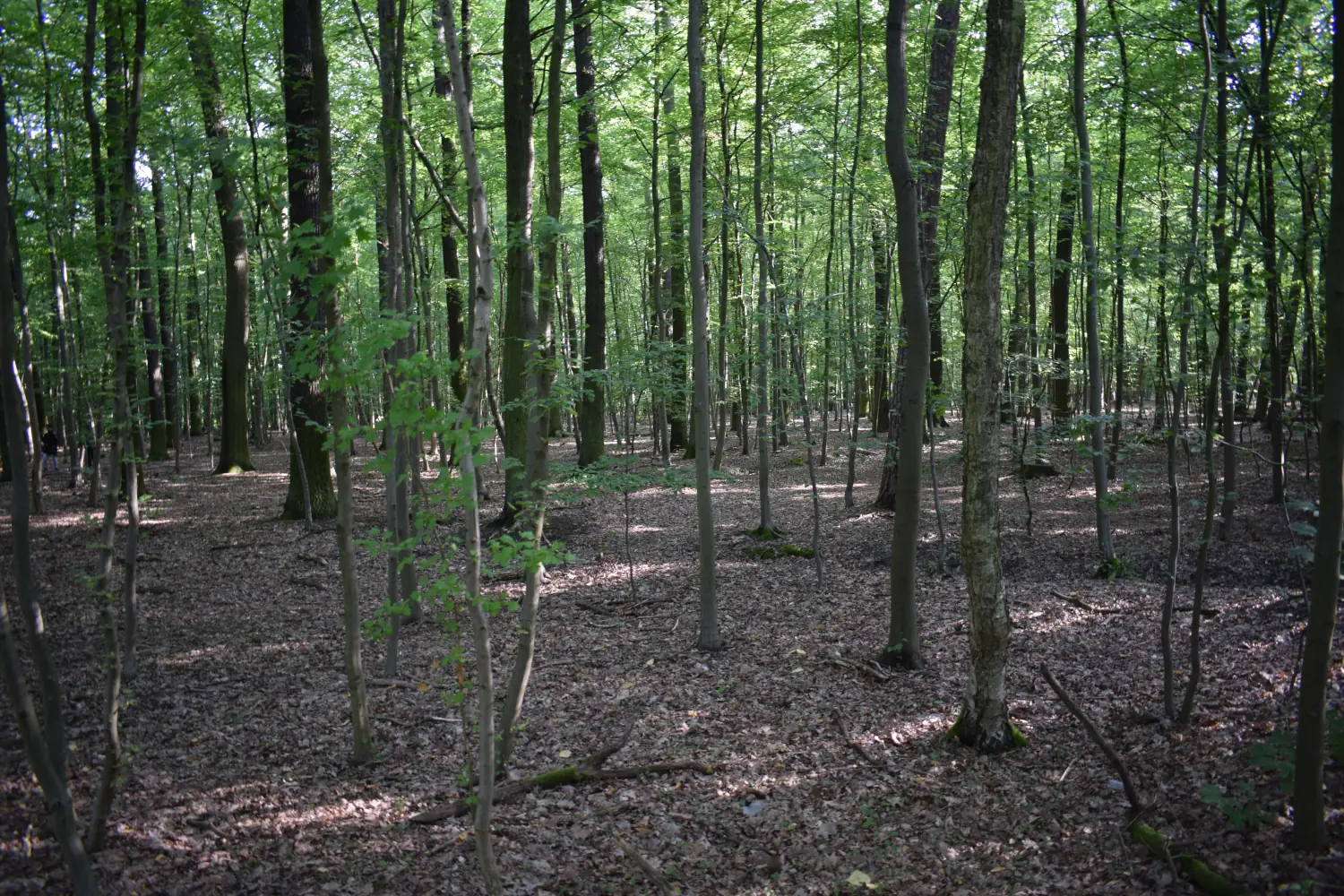
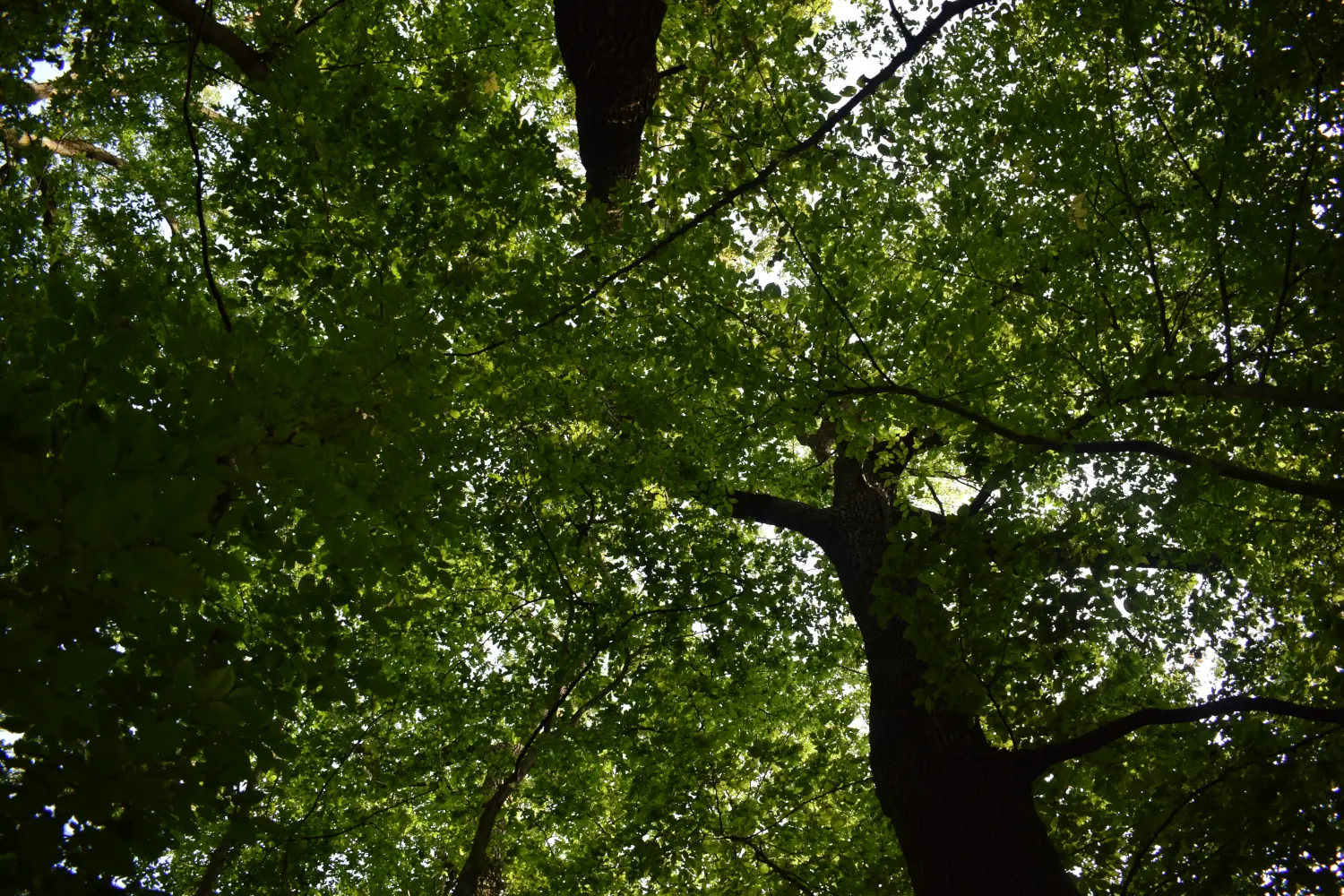
Key feature: Impairments → Forest monitoring
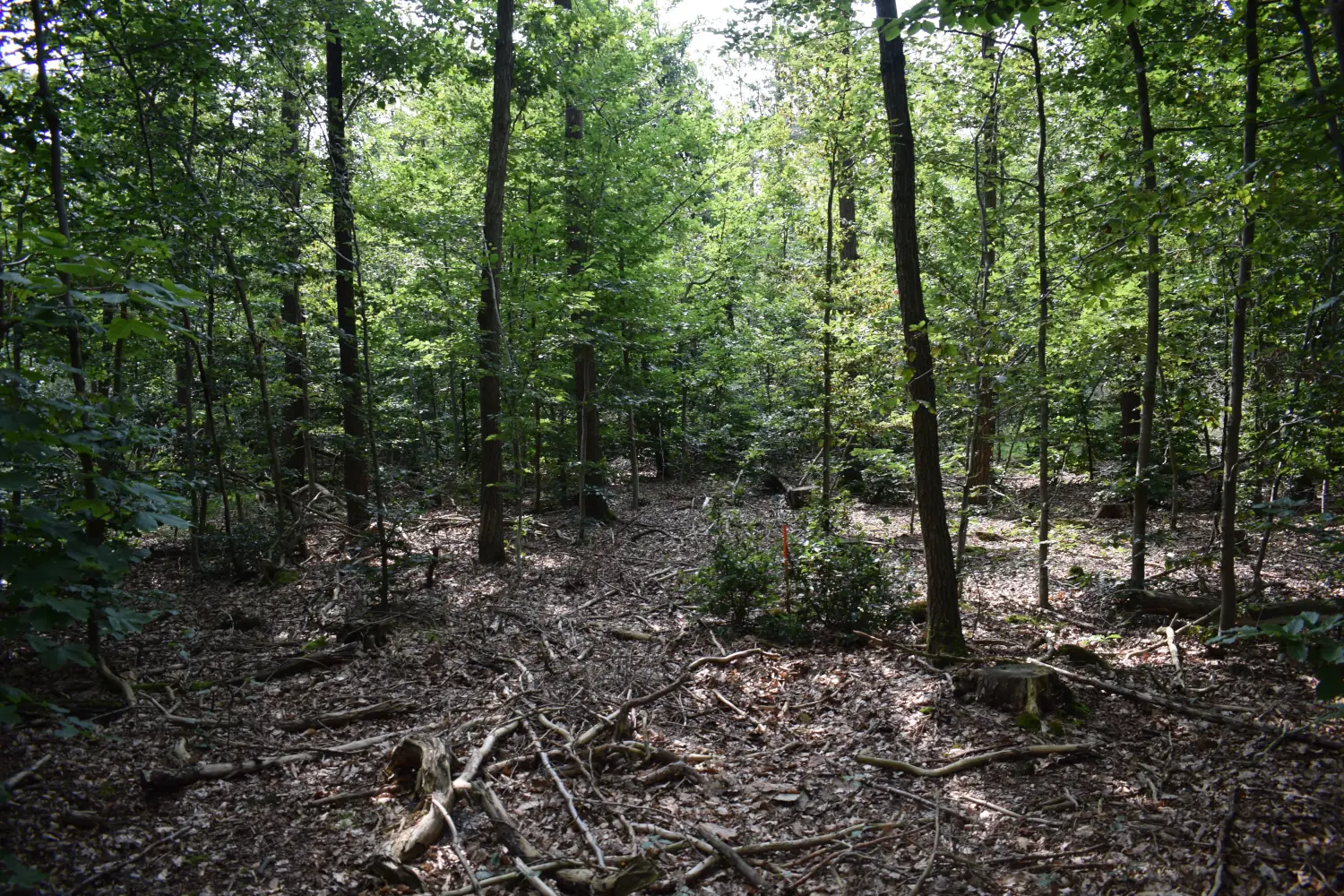
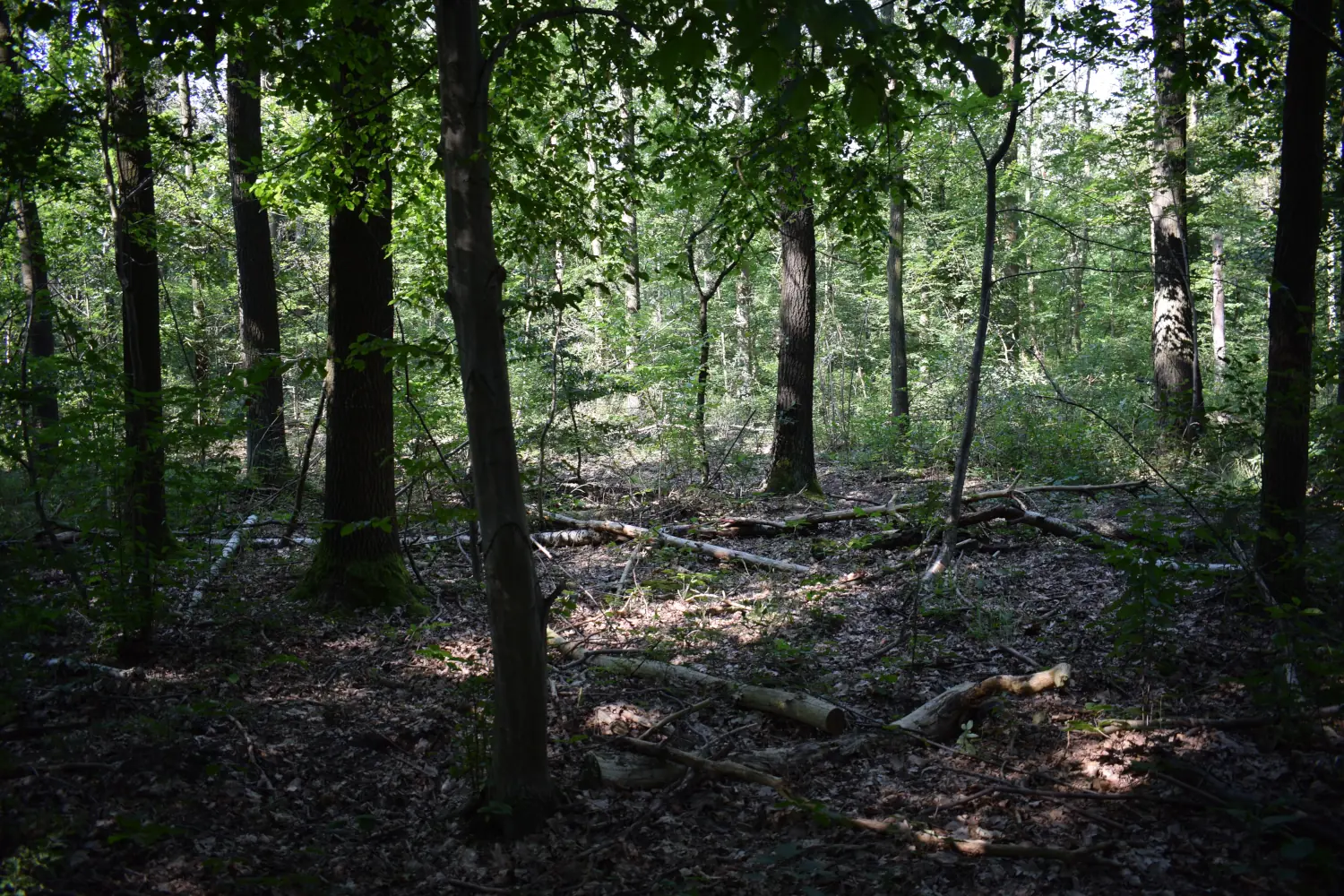
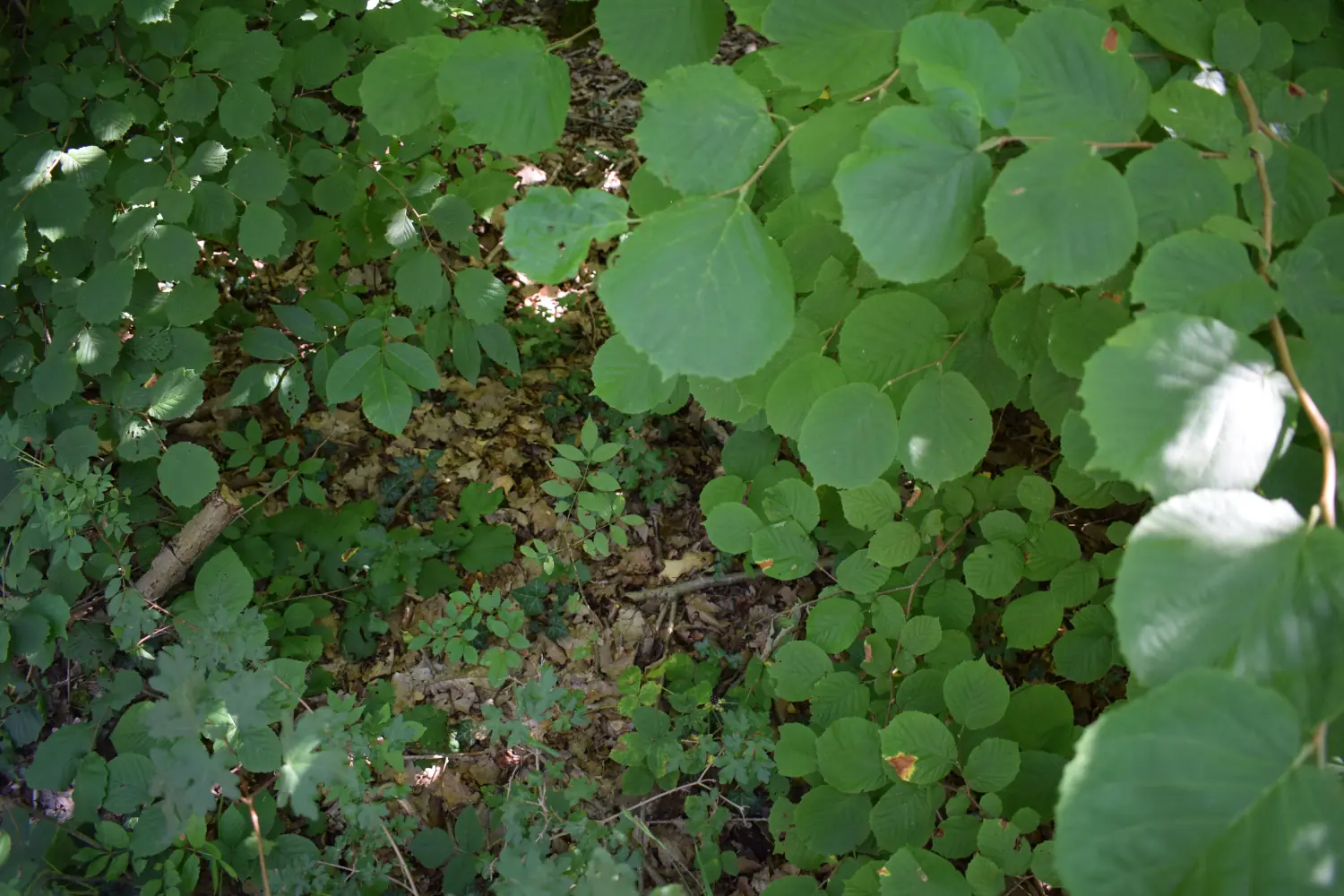
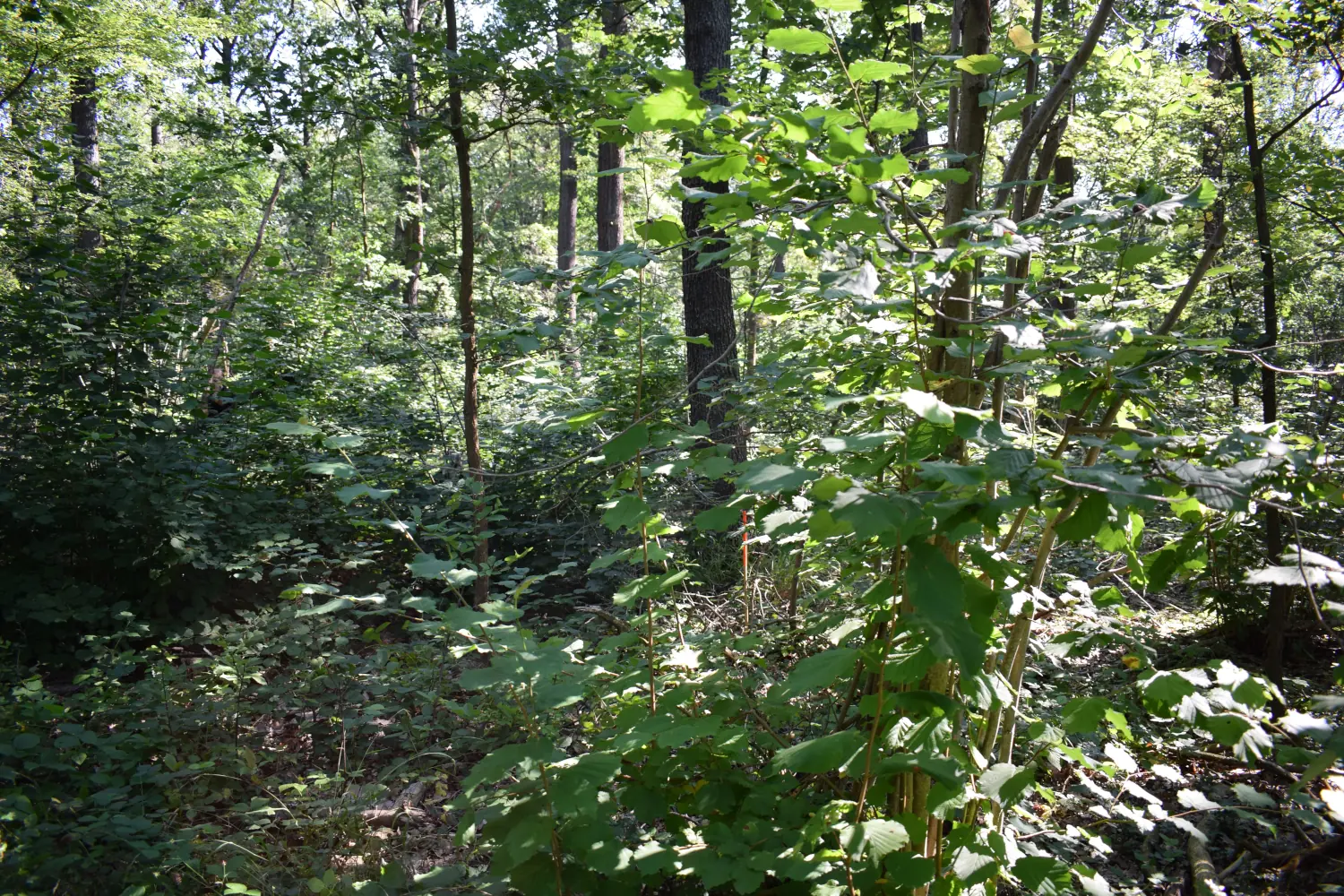
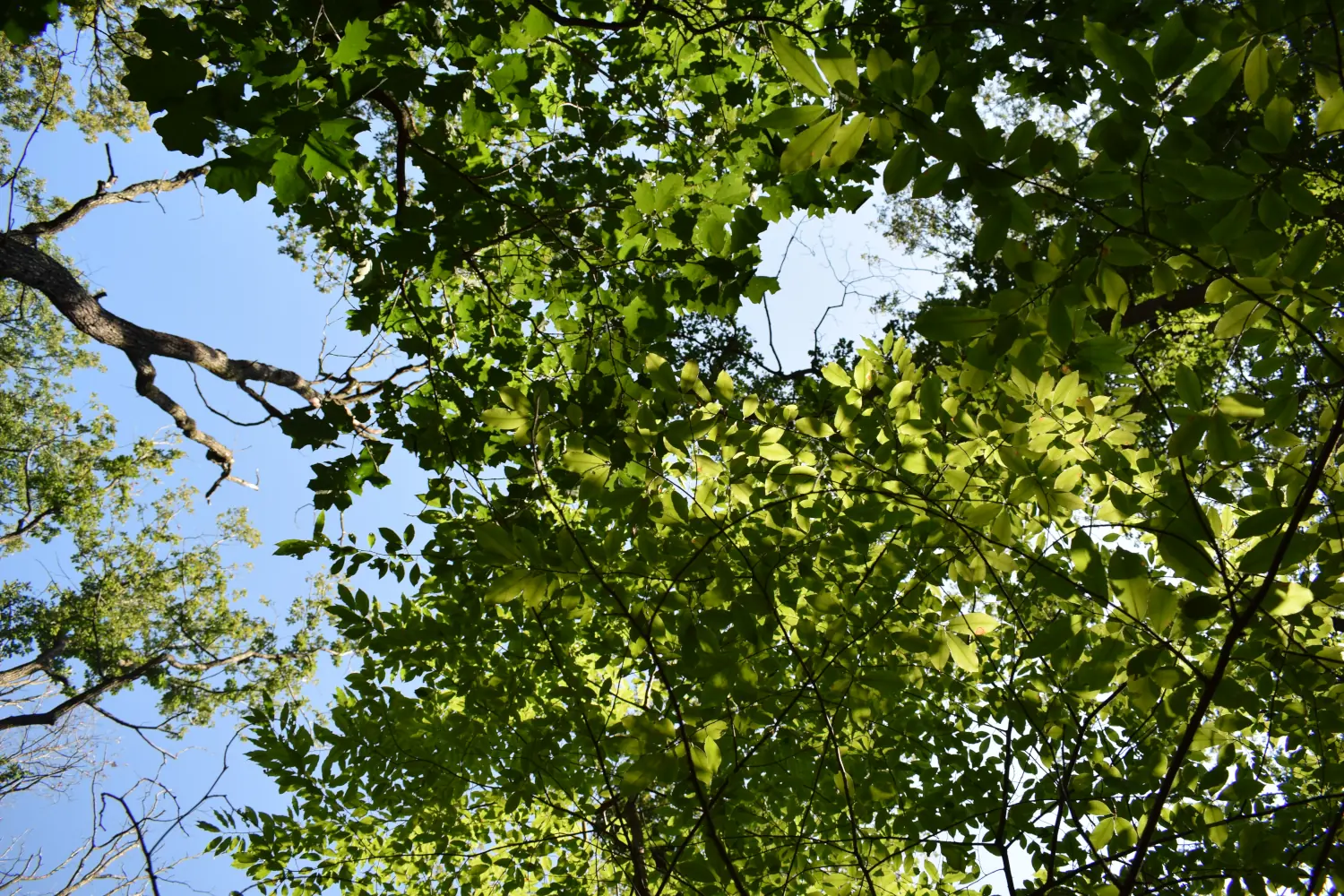
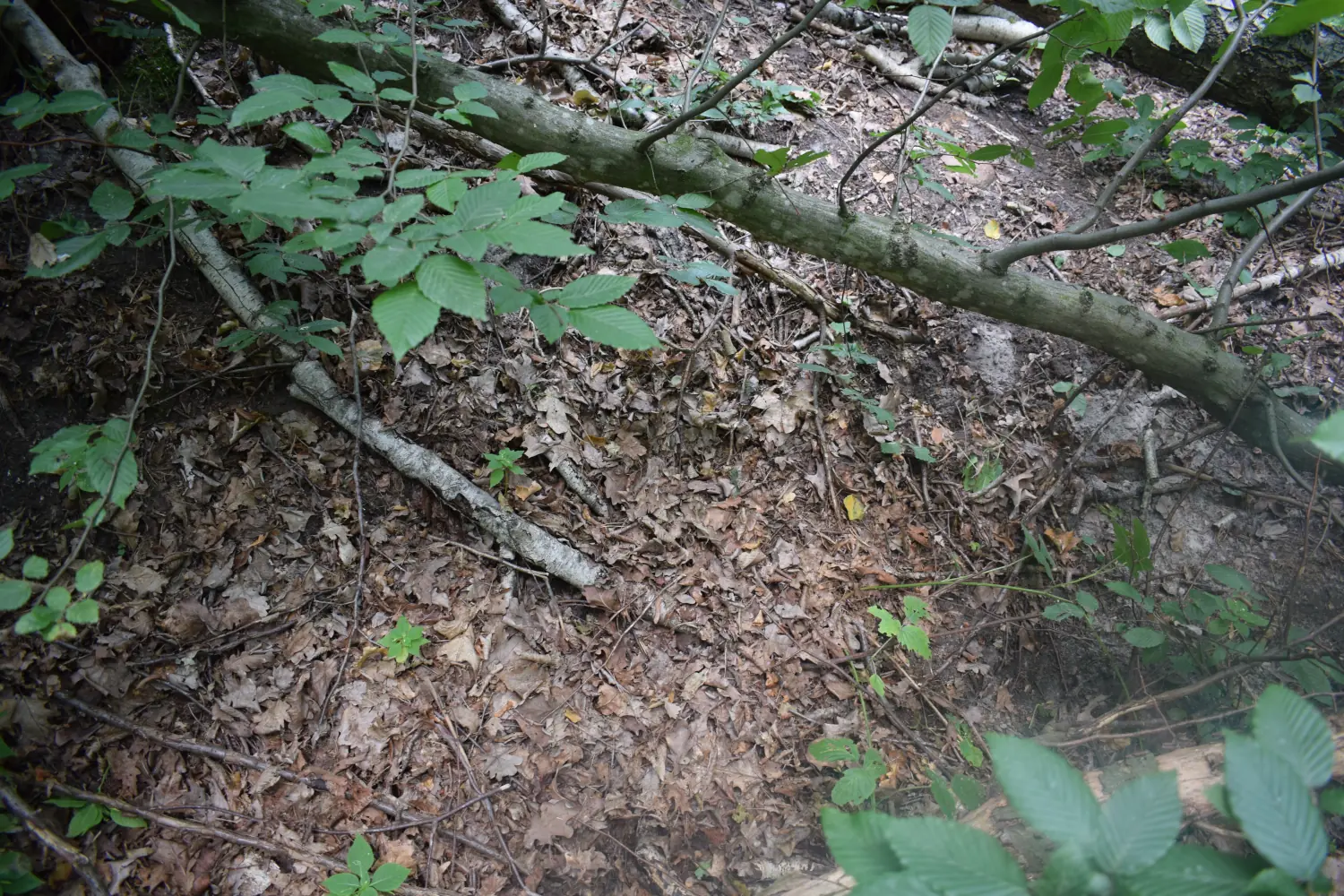
In this forest section, we identified various "impairments" affecting the stand. Forest monitoring exists also to document the presence and development of such impairments. Monitoring refers to the standardised and continuous scientific collection of data. Forest monitoring is therefore the continuous recording of forest condition. Changes in forest condition can be tracked from the continuity of these recordings. The impacts of events such as bark beetle outbreaks or storm damage, or of specific management measures in the forest (plantings, seeding, tending interventions, natural regeneration development, etc.), can thus be observed, and the necessity of protective measures can be decided. Particularly in the context of climate change and forest conversion, analysing changes in forest condition is important for determining what foresters can do to preserve the forest and make it more resilient through ecologically oriented forest management.
More informationen is provided by BMLE and the Landeszentrum Wald Sachsen-Anhalt.
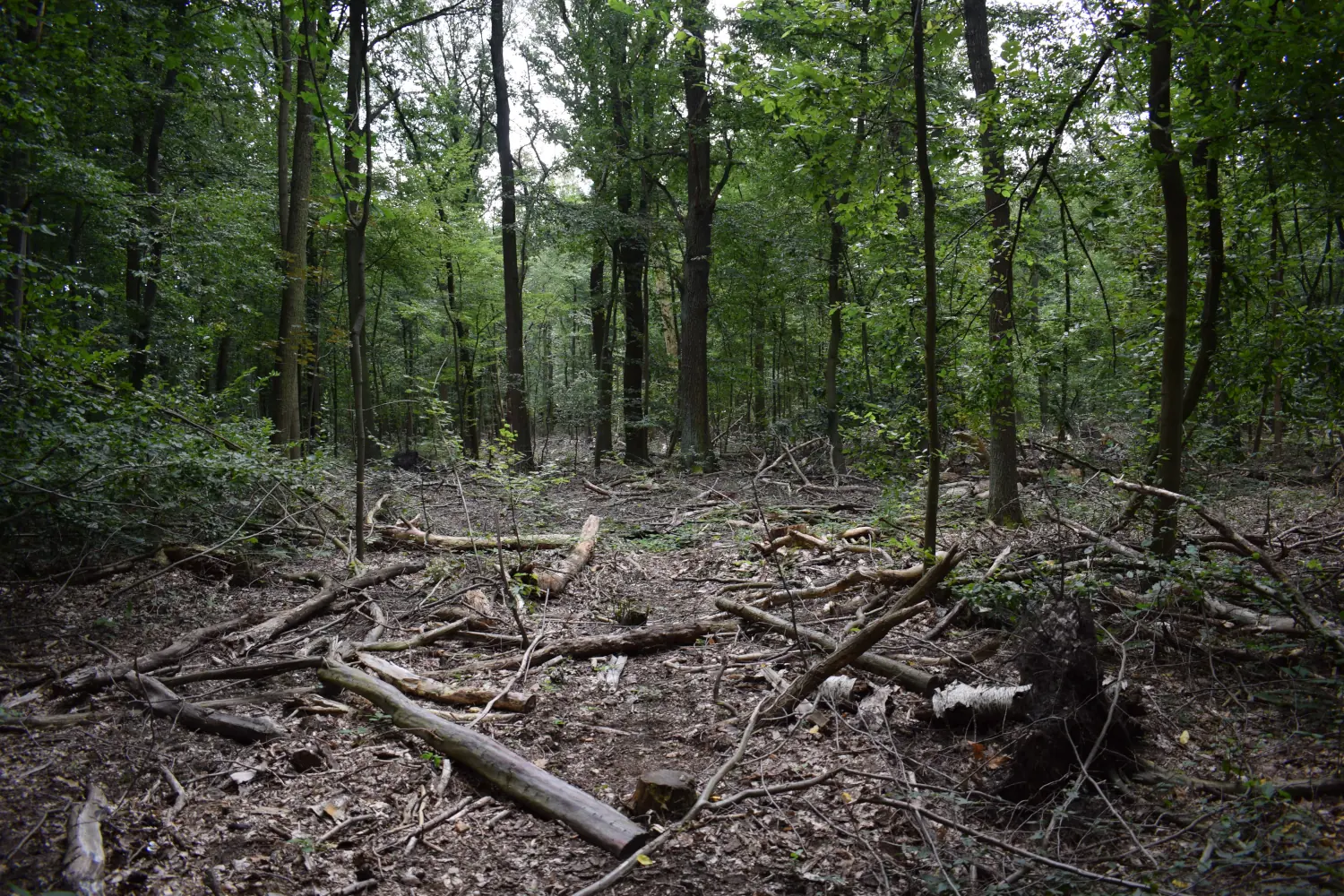
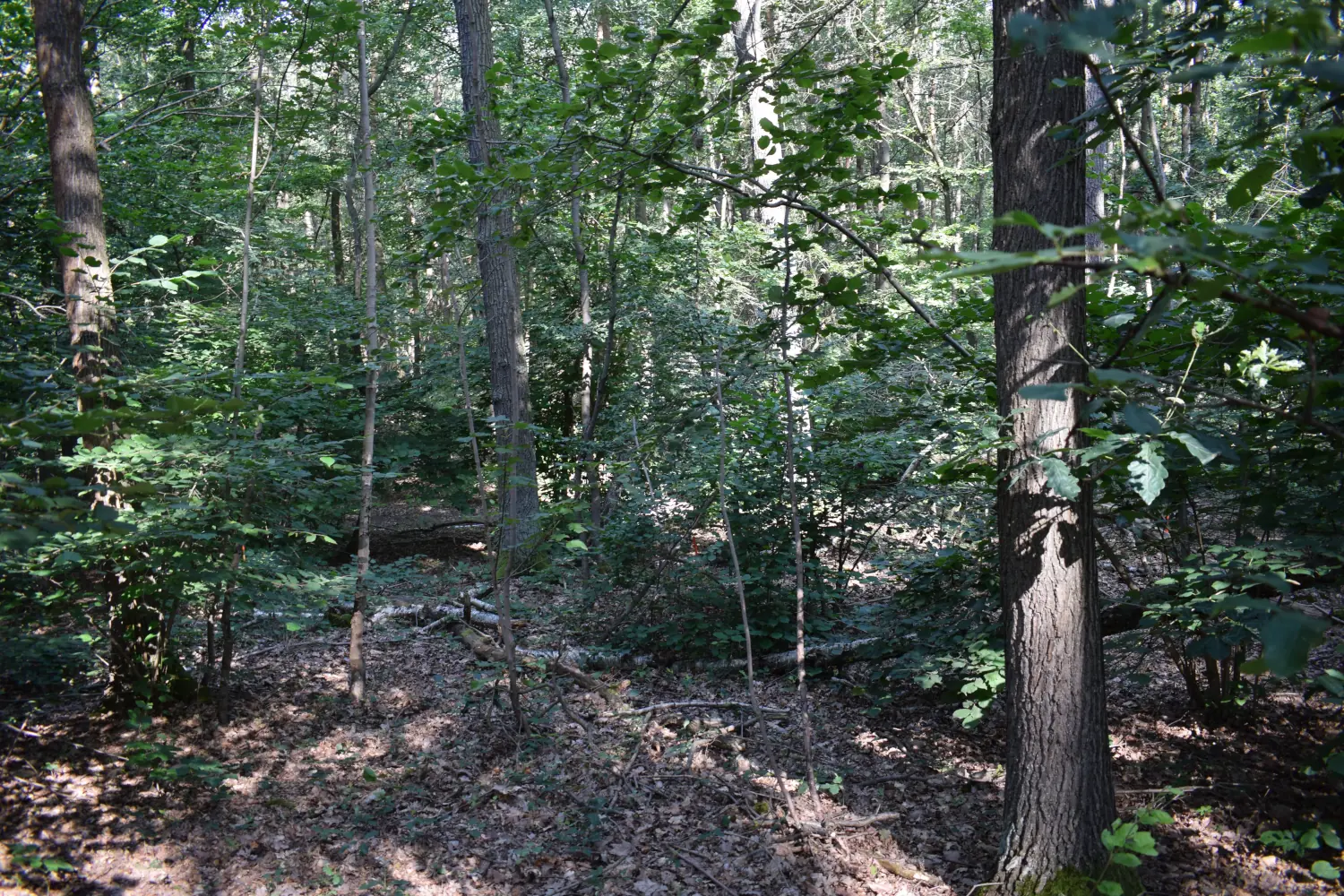
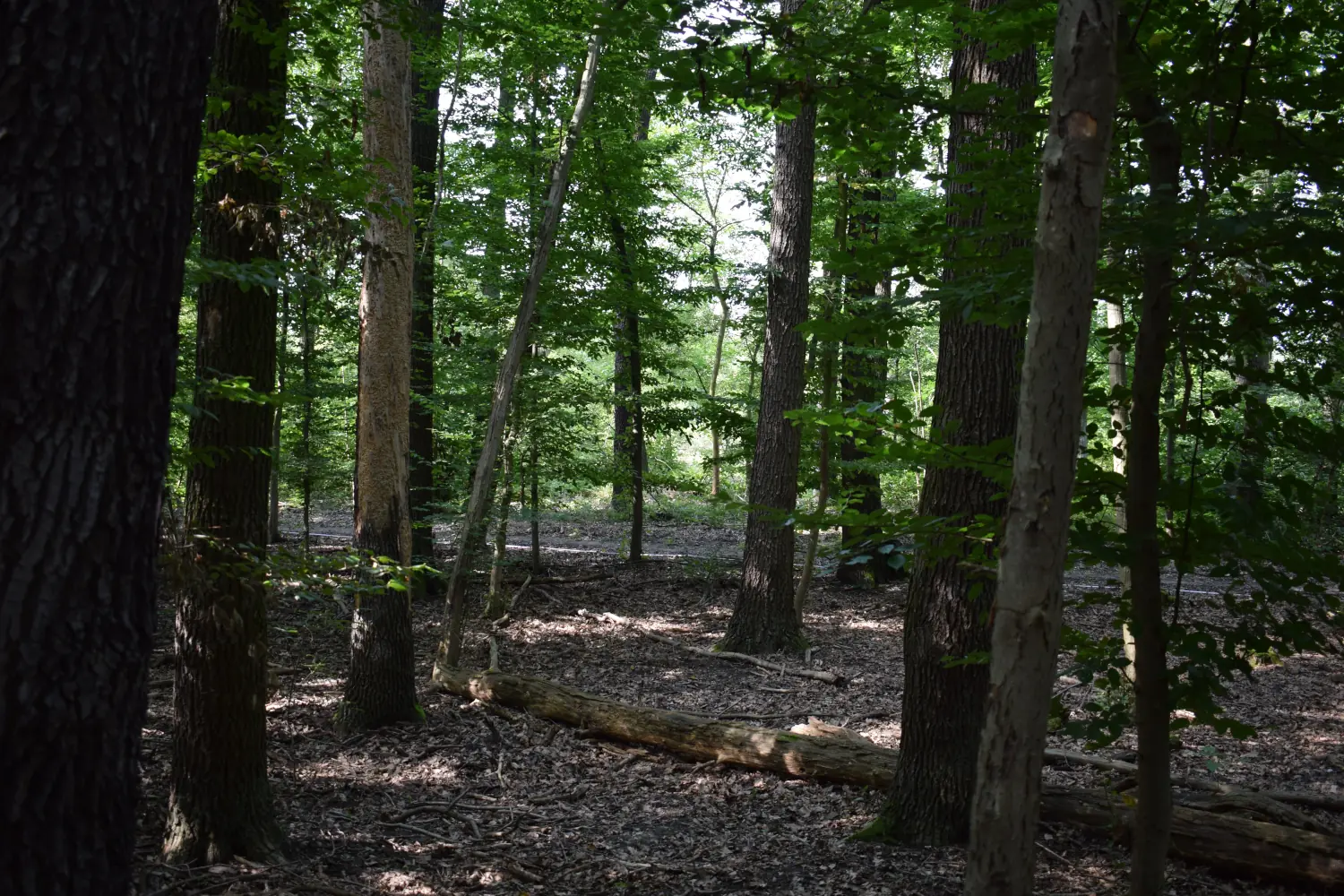
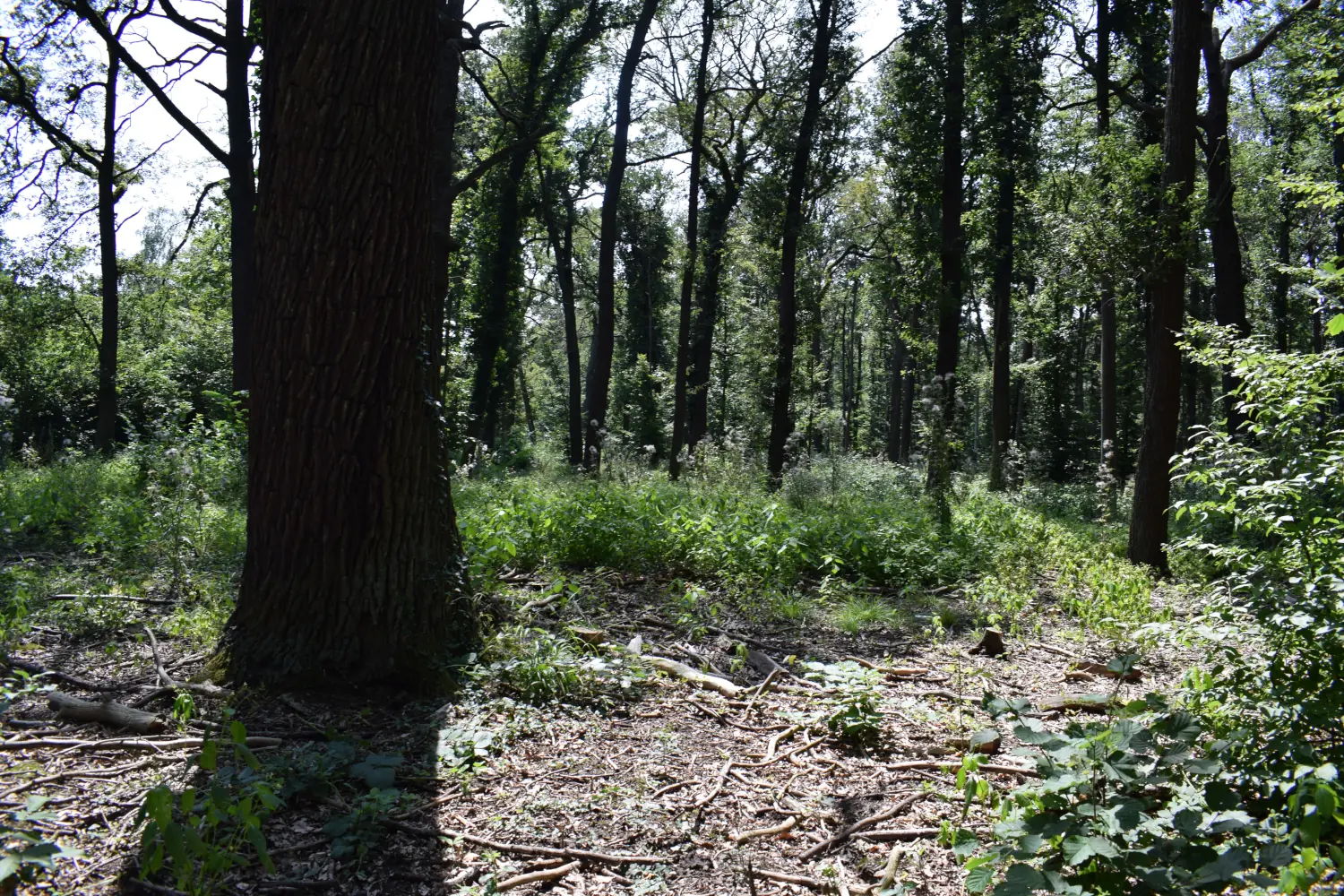
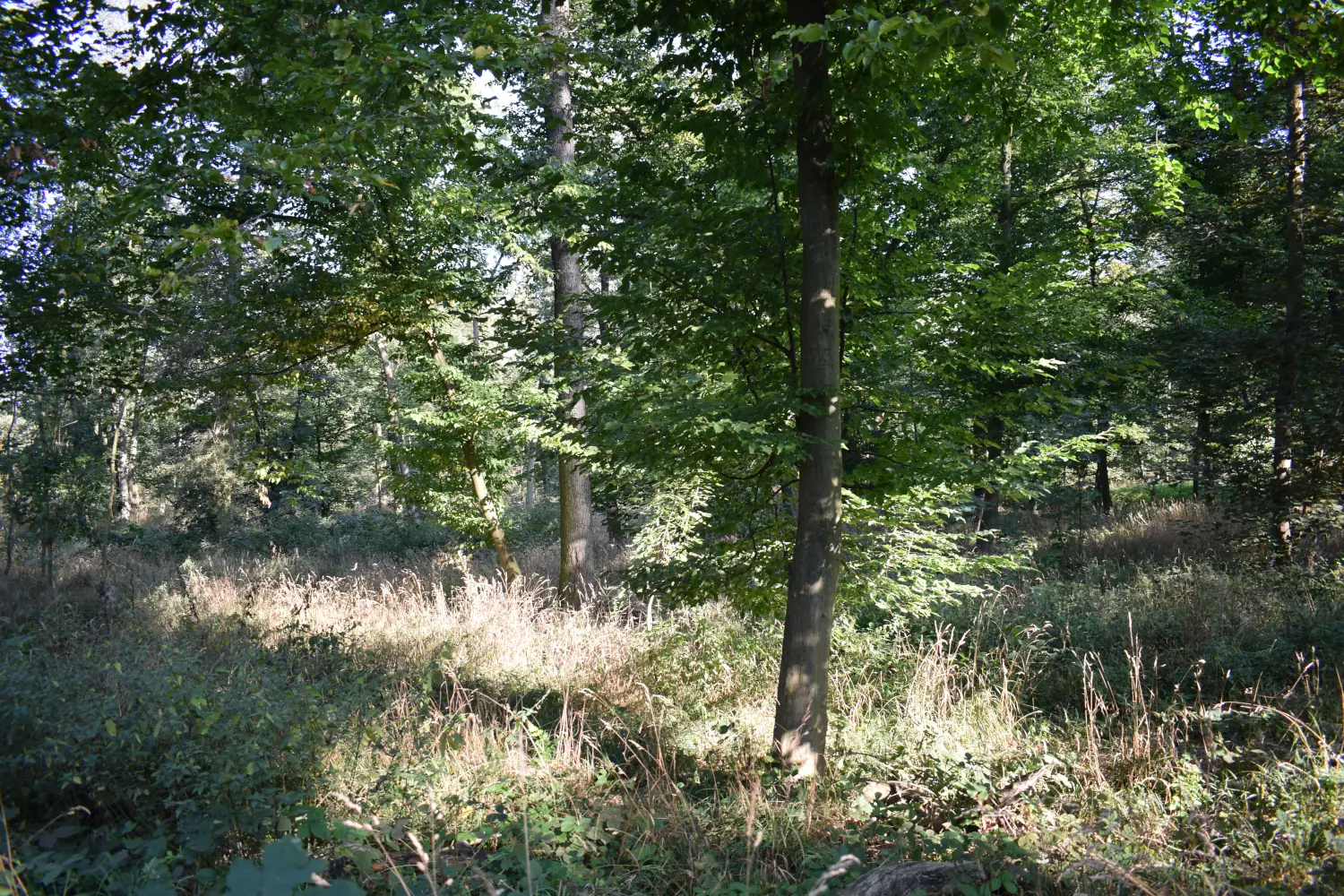
Forest profile

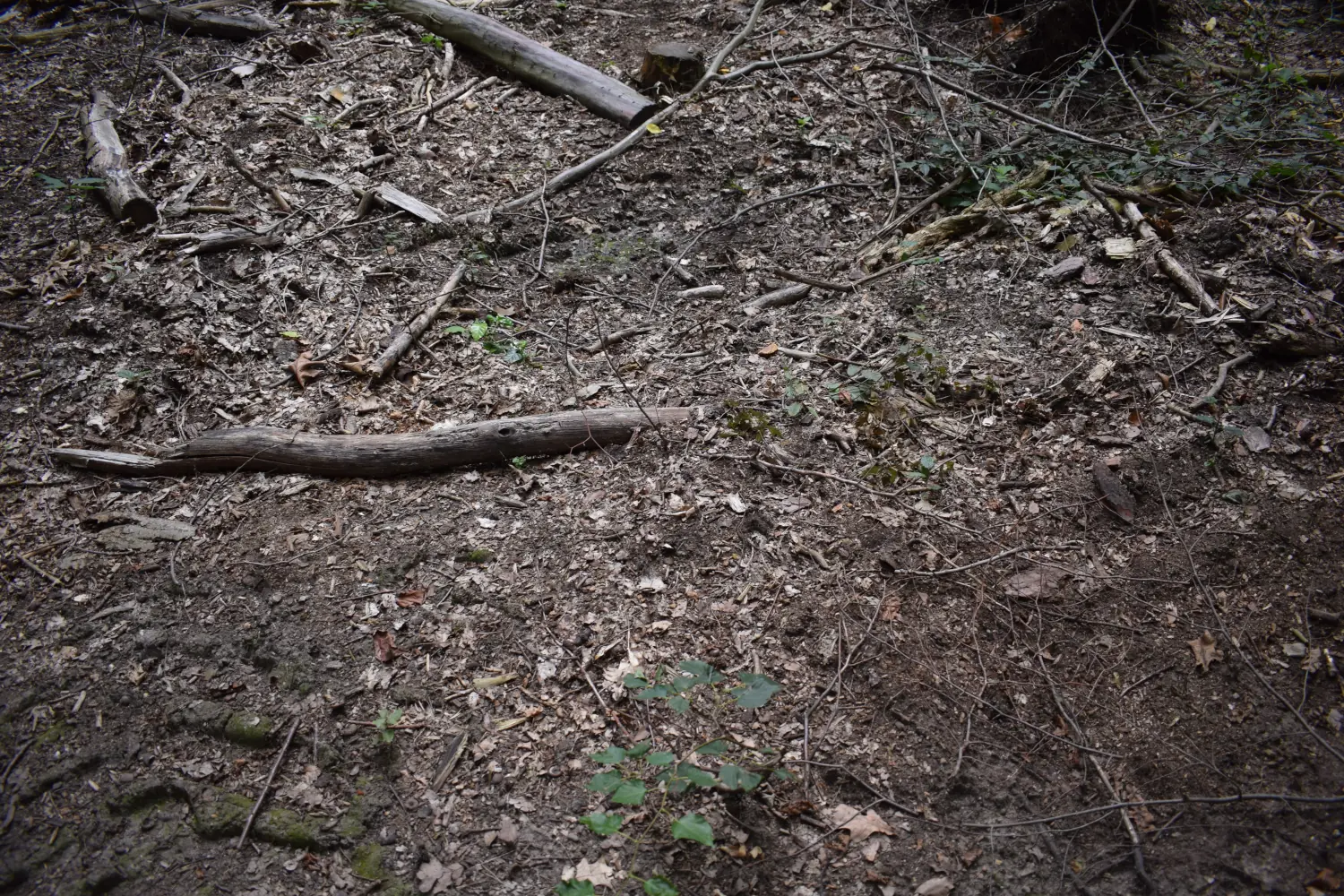
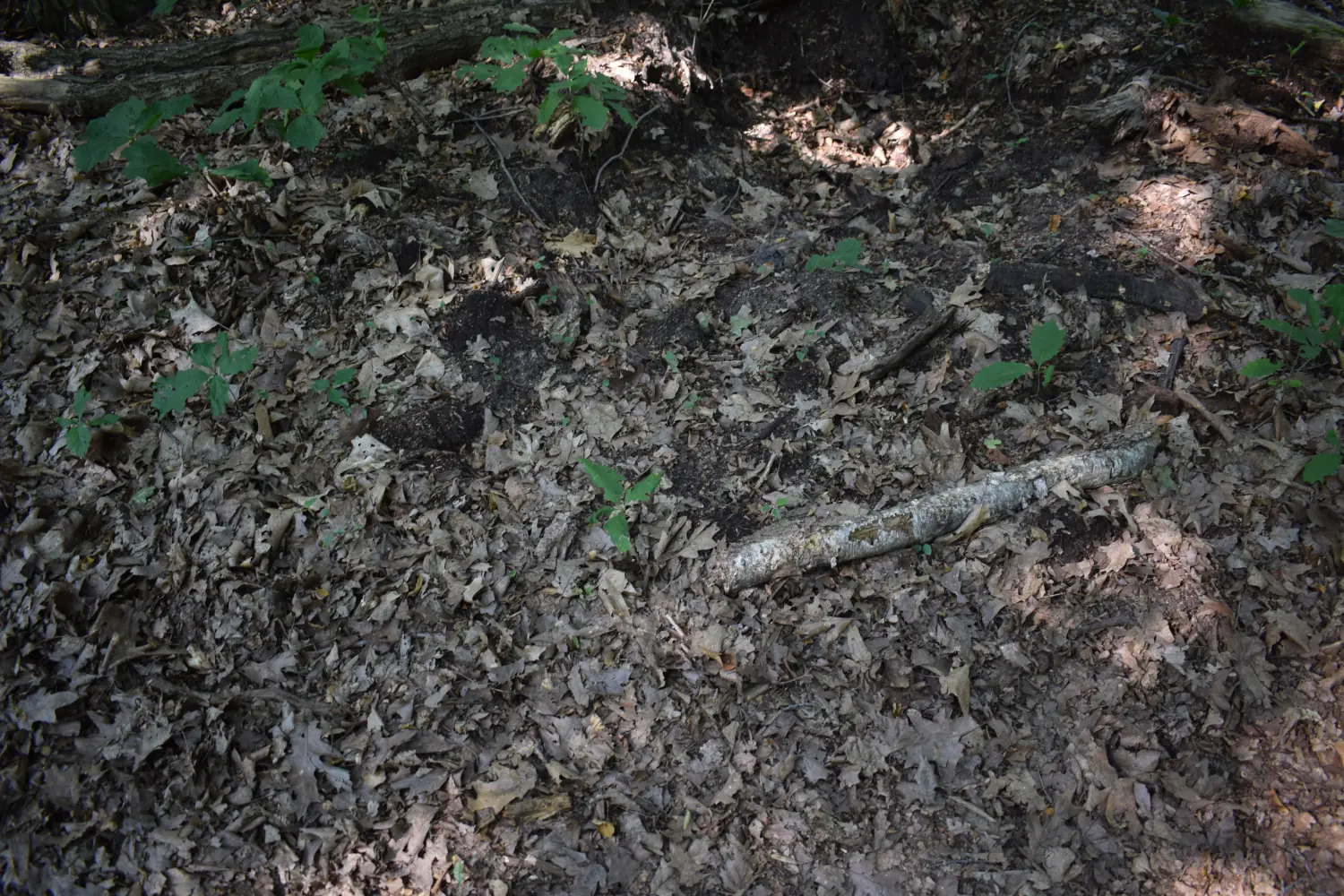
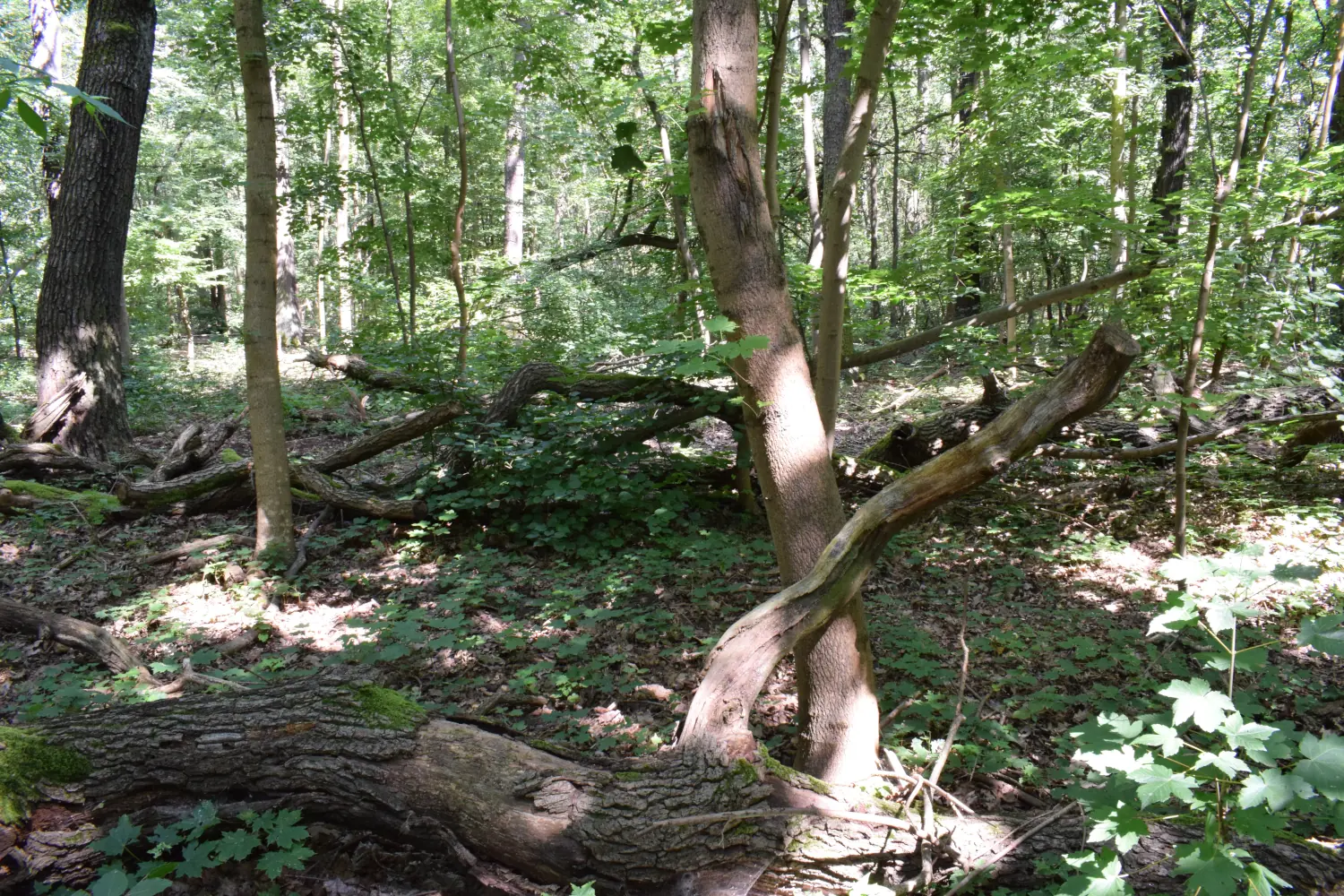
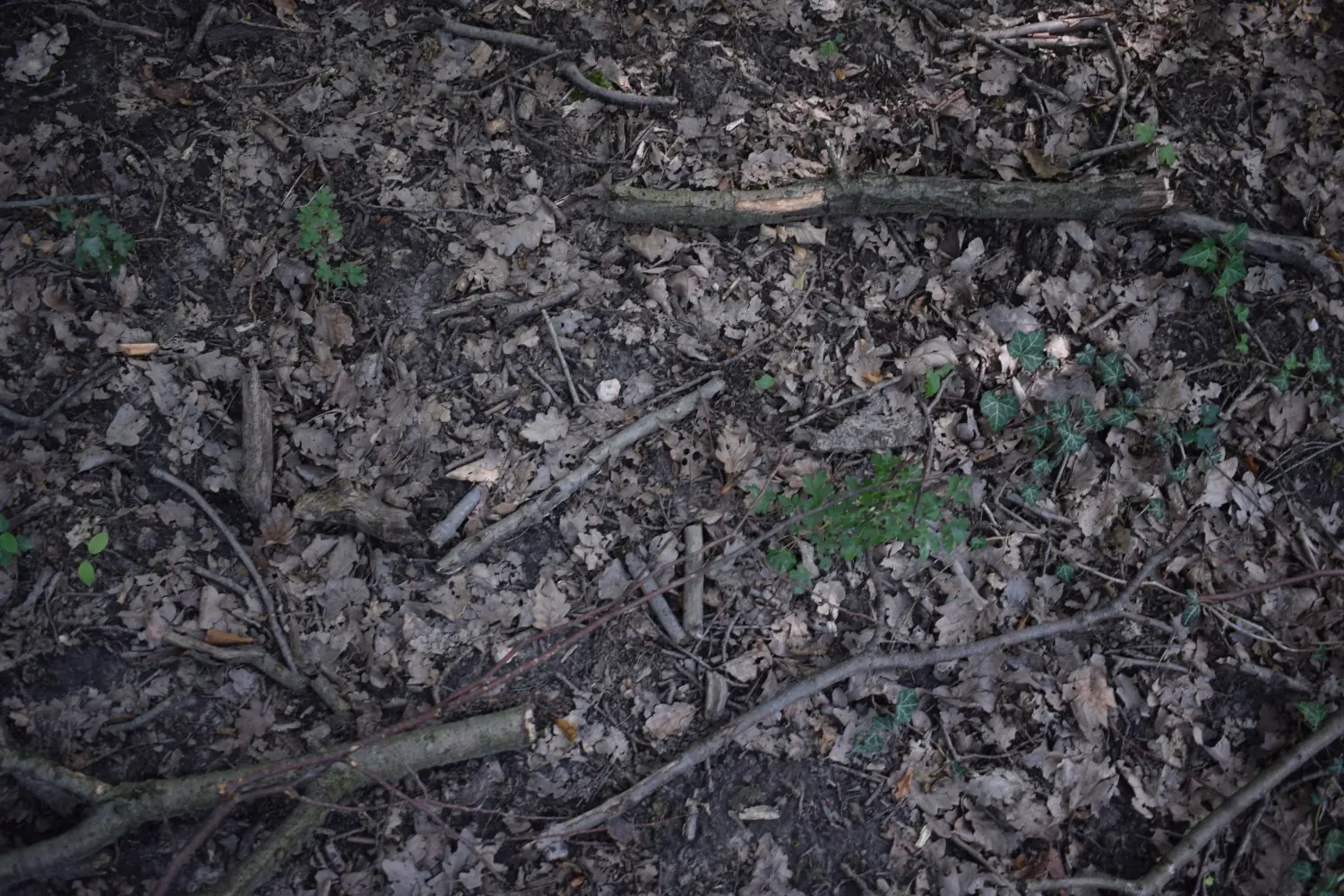
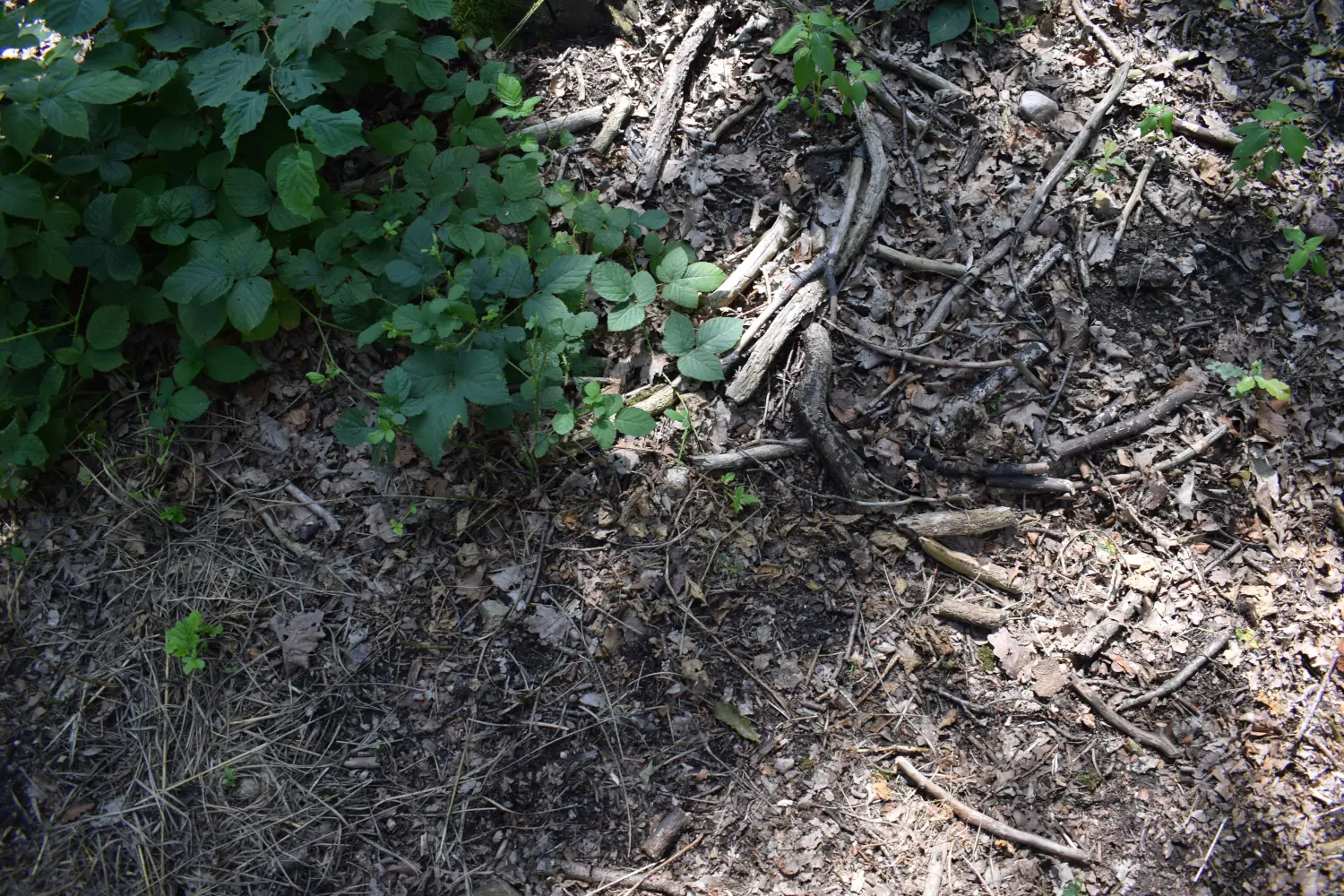
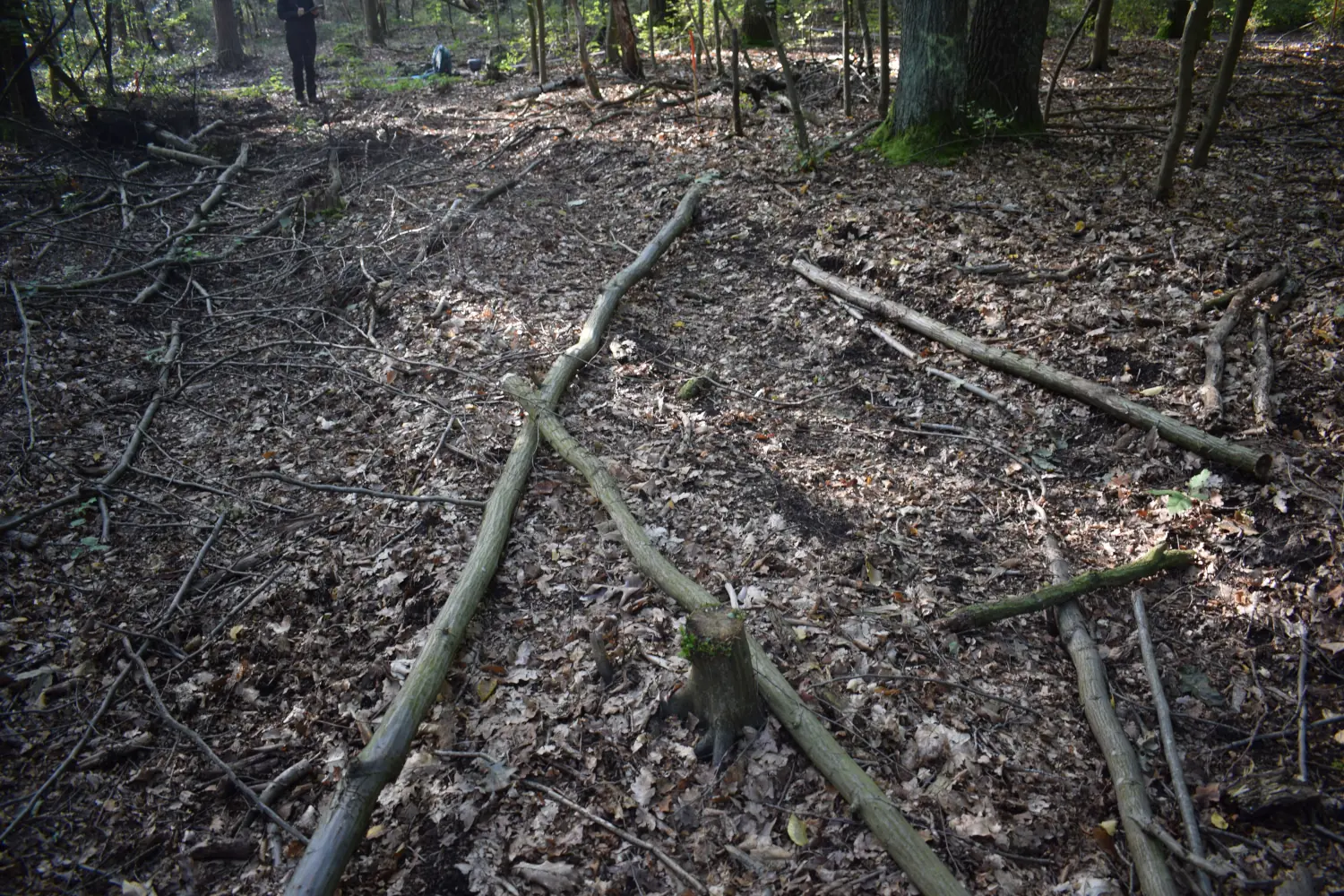
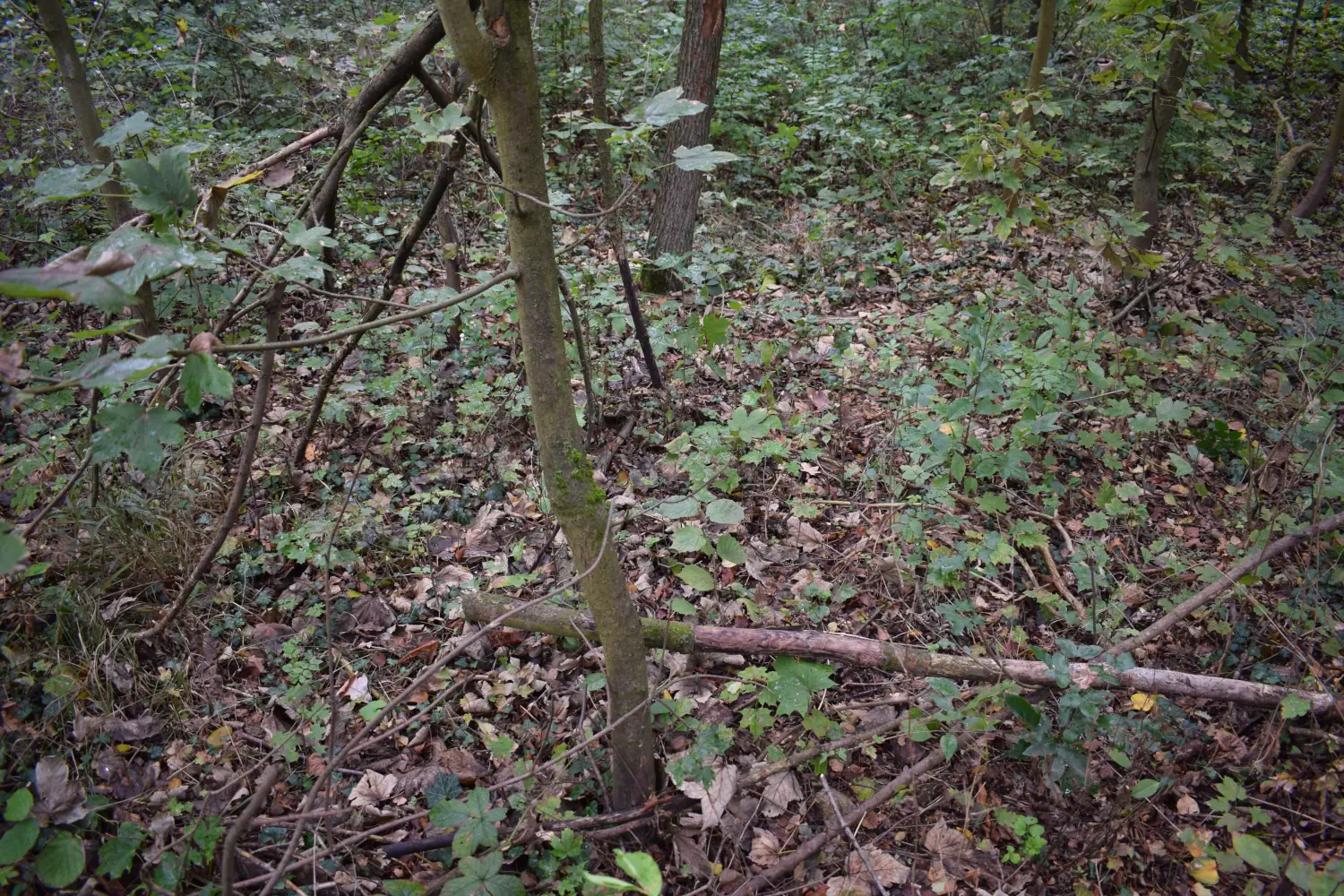
Coverage of deadwood
Large deadwood: standing 0 %, lying down 0 %
Medium deadwood: standing 0 %, lying down 0 %
Fine deadwood: 10 %
Rootstocks: 4 pcs
Number of old trees (BHD > 80cm): 0
Number of habitat trees: 0

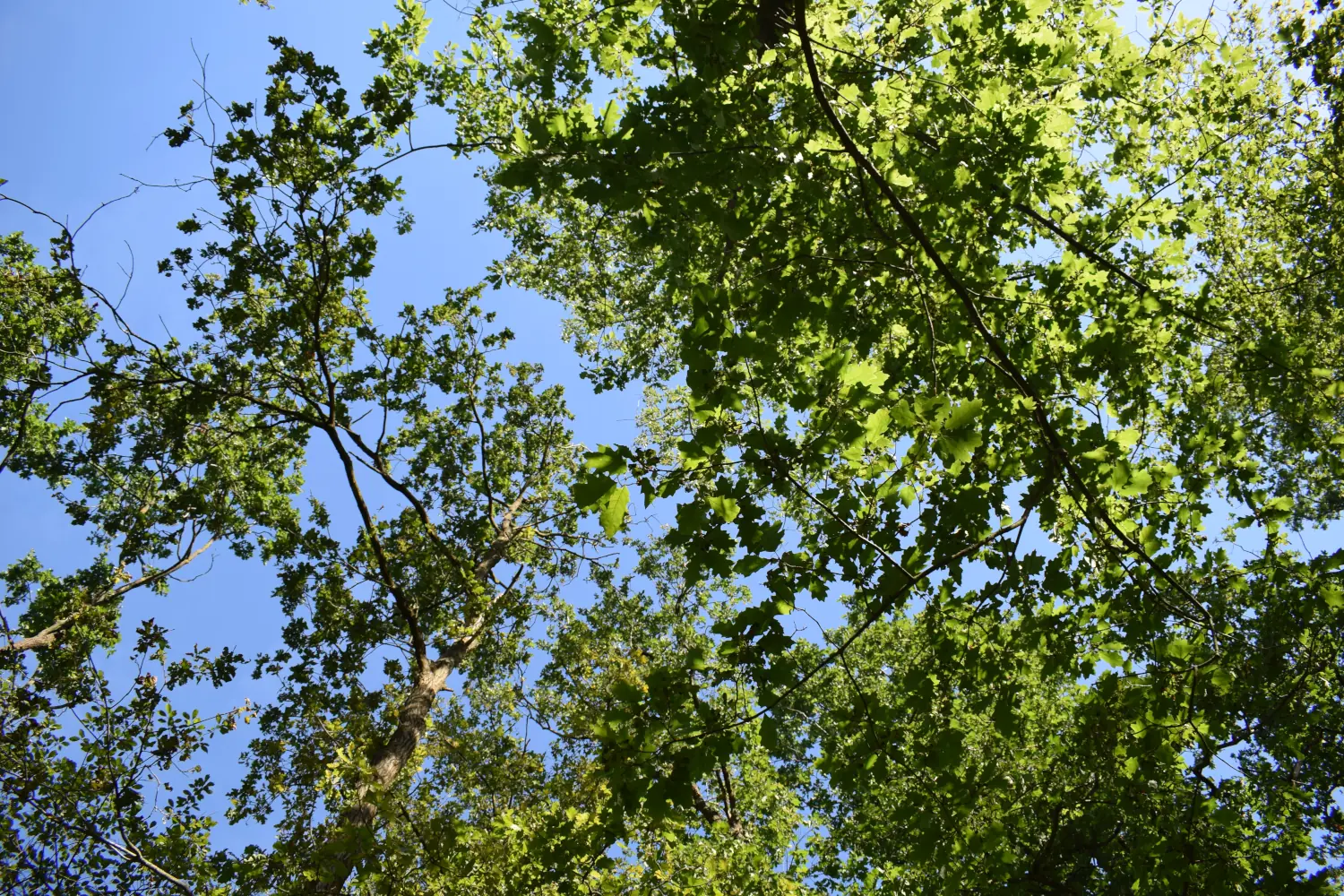
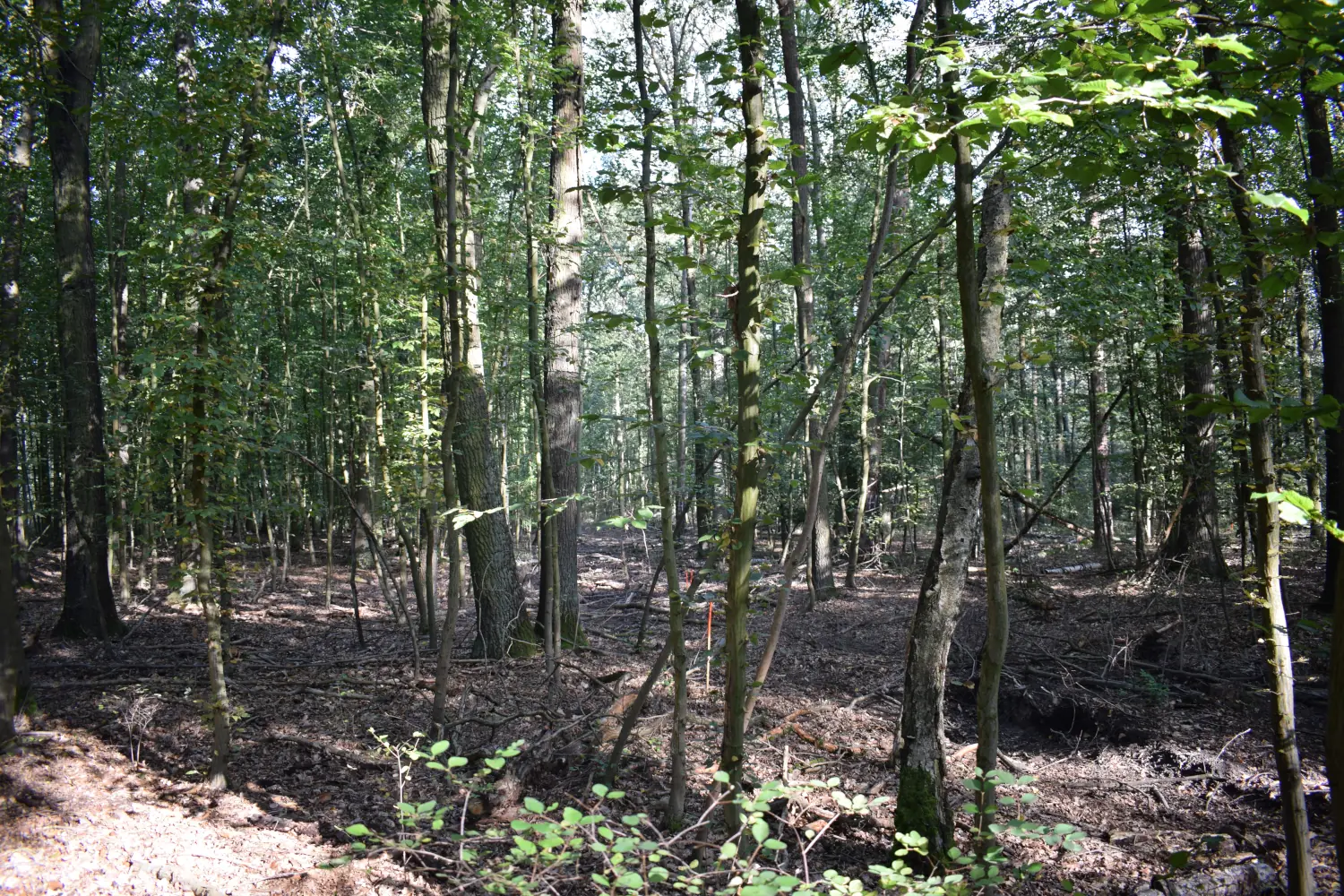
Cover tree layers
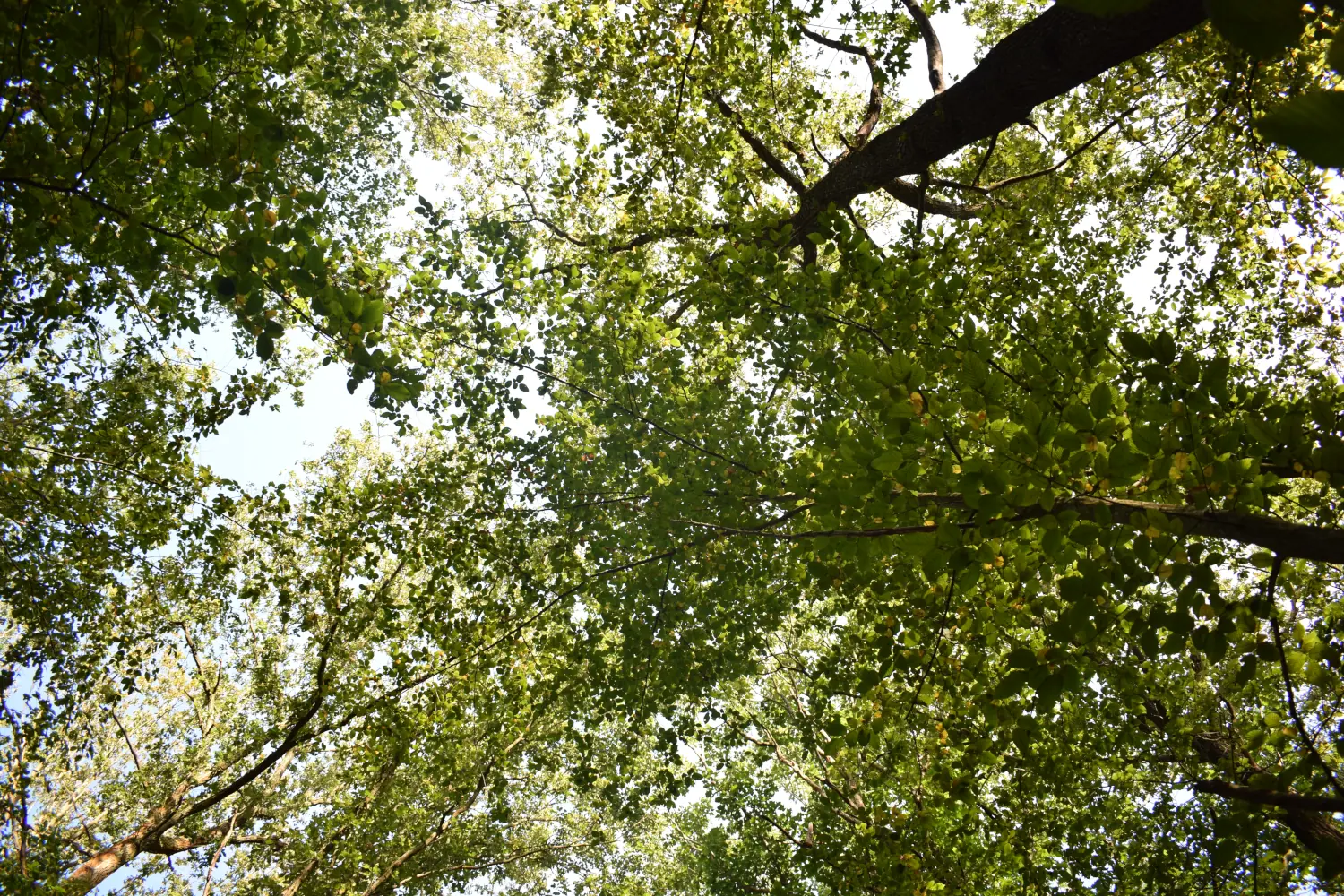
Tree layer 1: 70 %
(Quercus petraea)
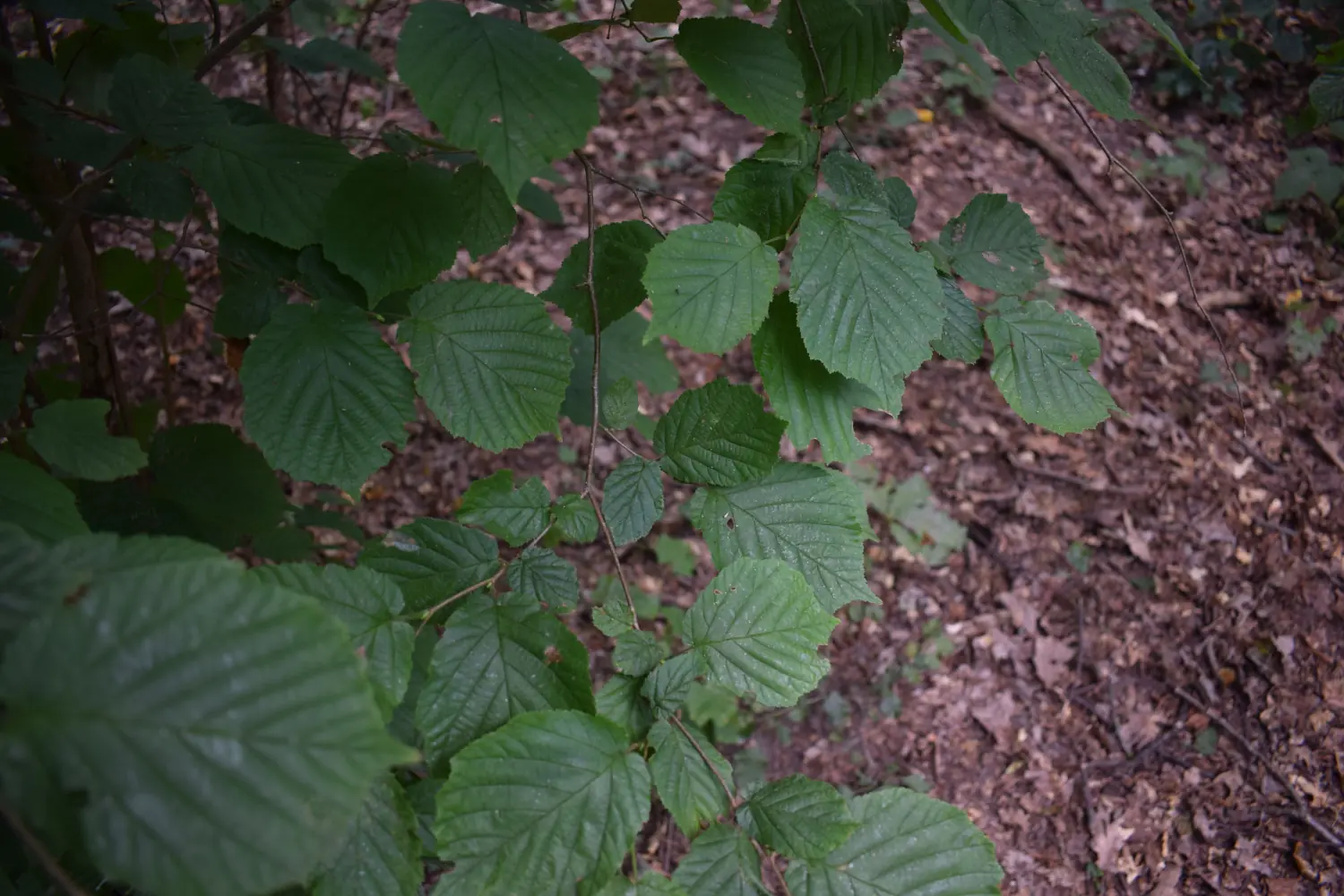
Tree layer 2: 60 %
(Carpinus betulus)
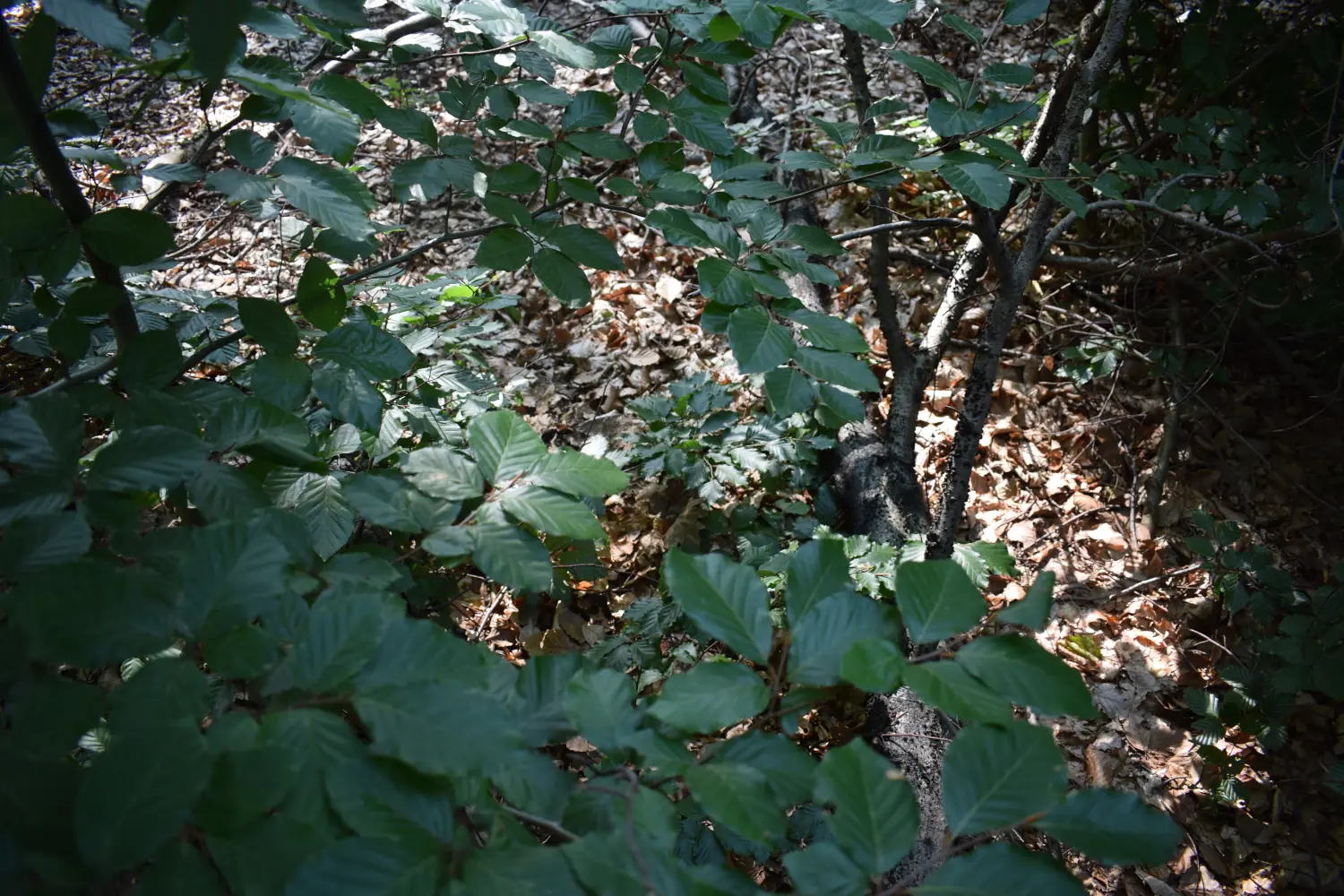
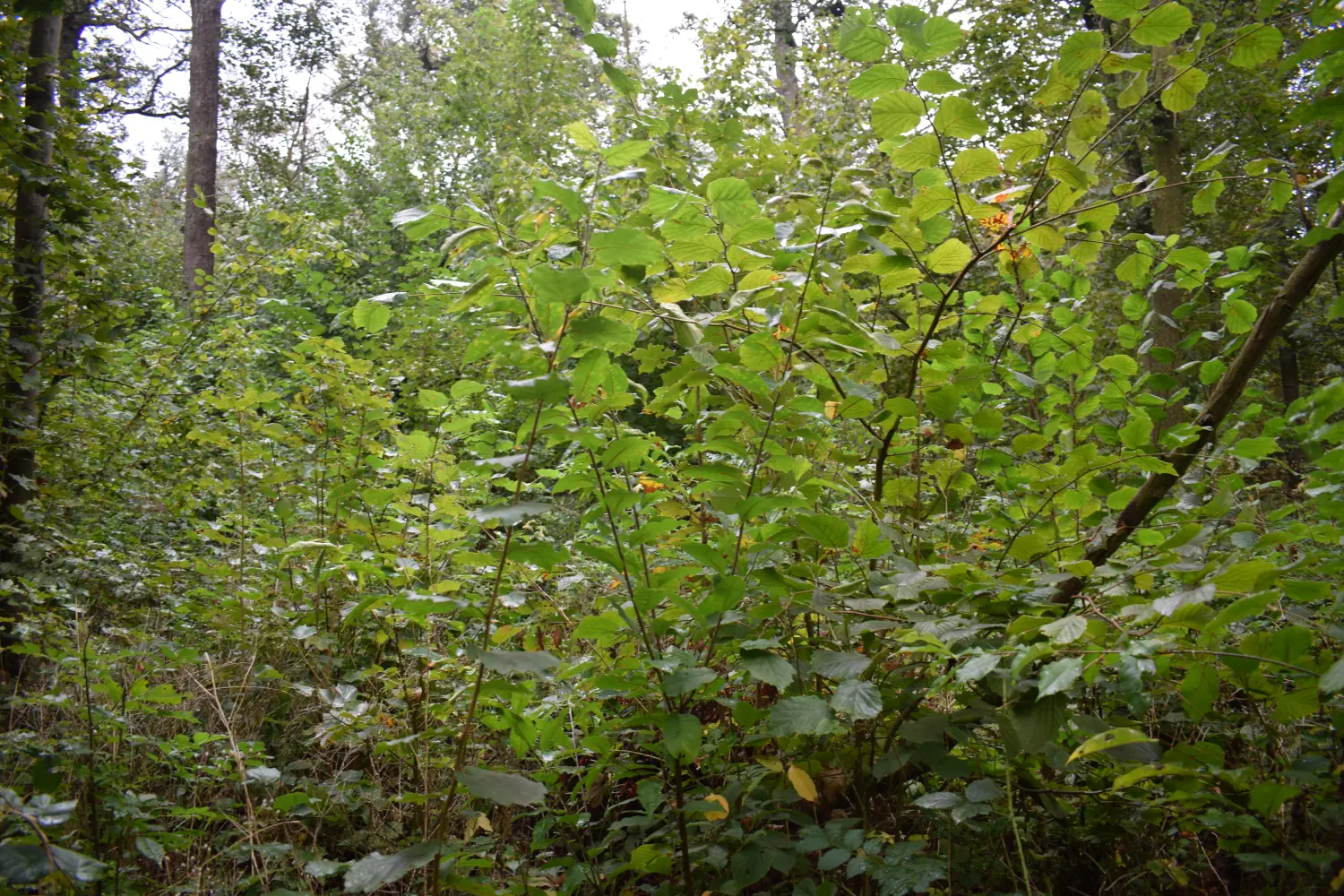
Tree layer 3: 10 %
(Carpinus betulus, Quercus petraea)
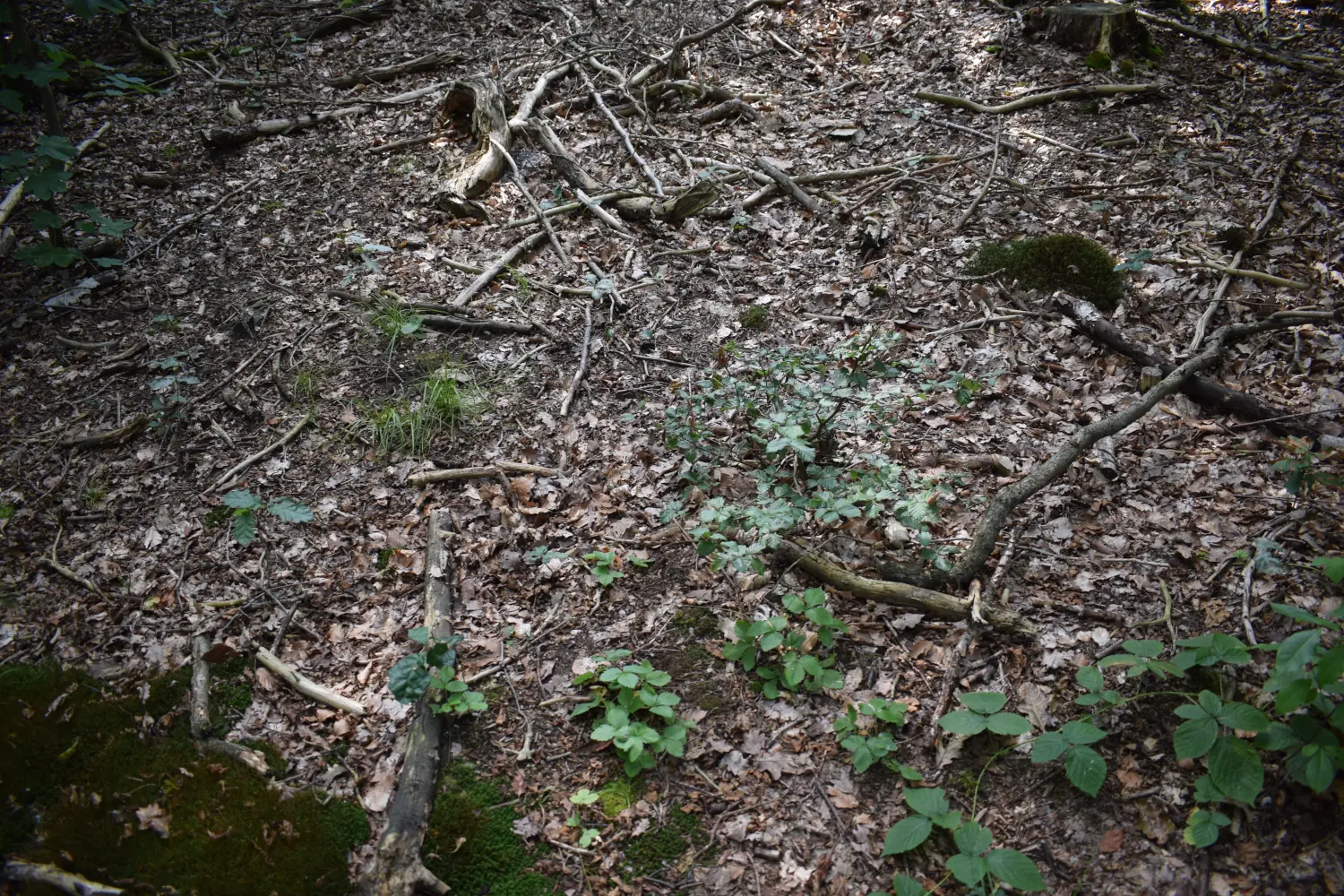
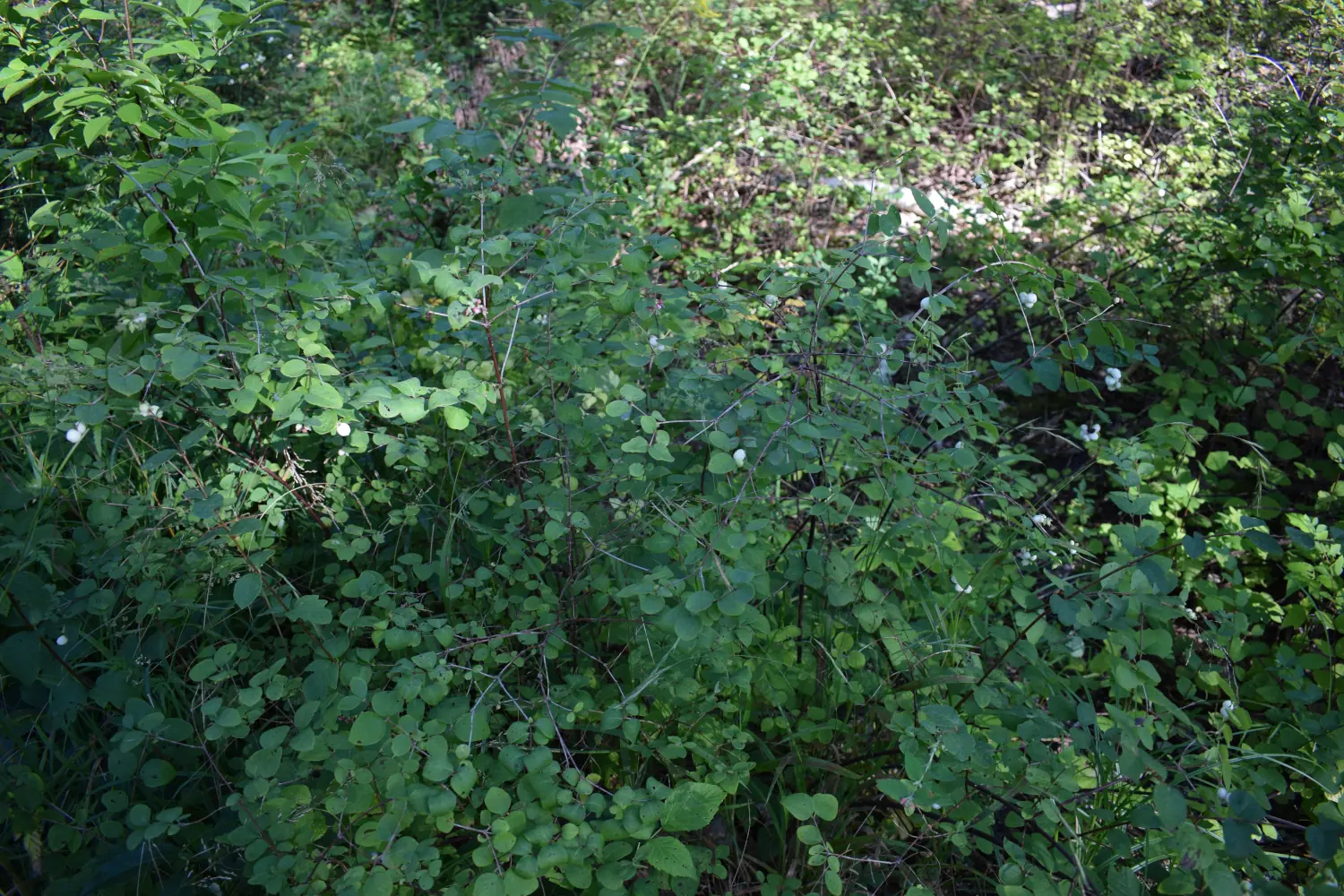
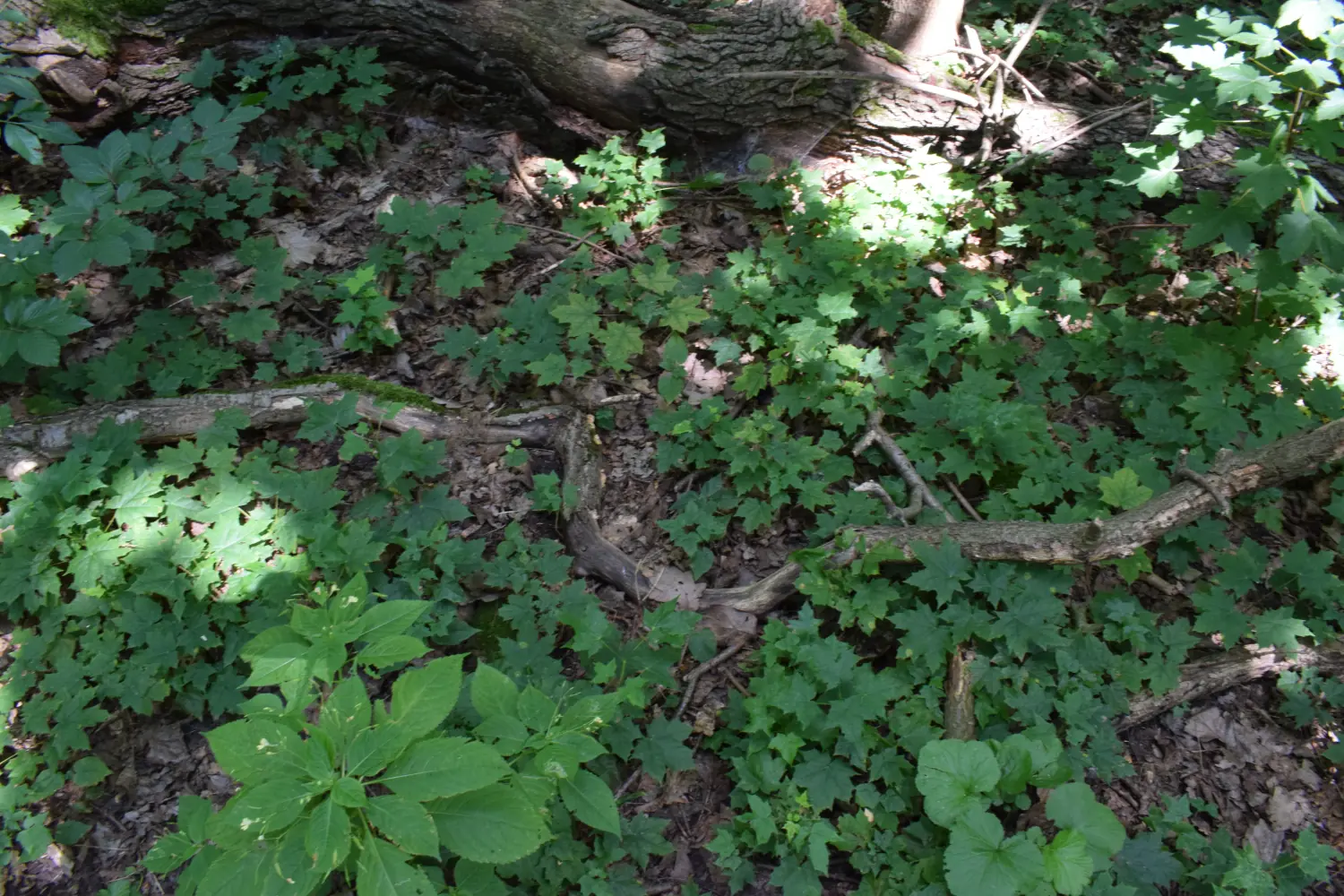
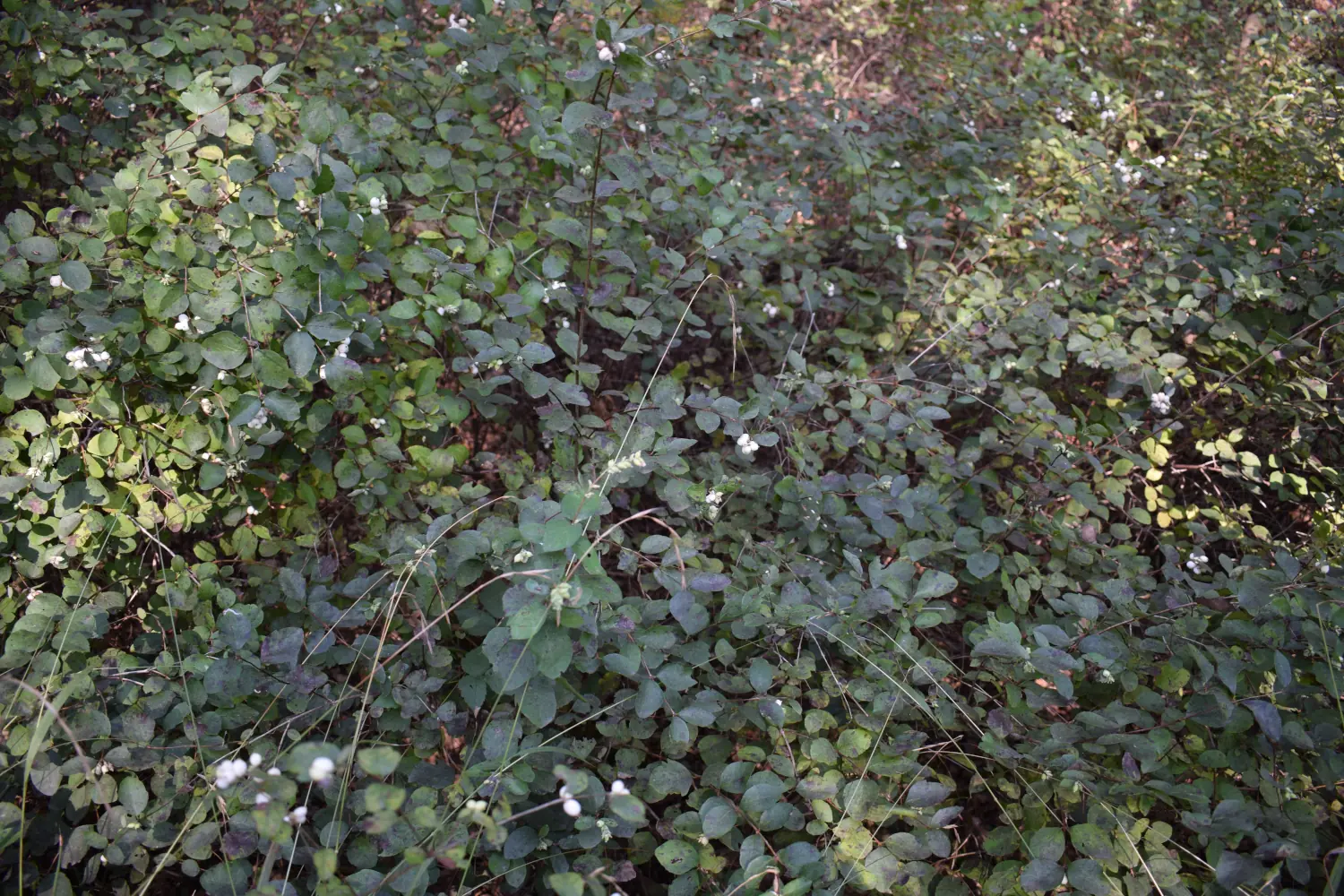
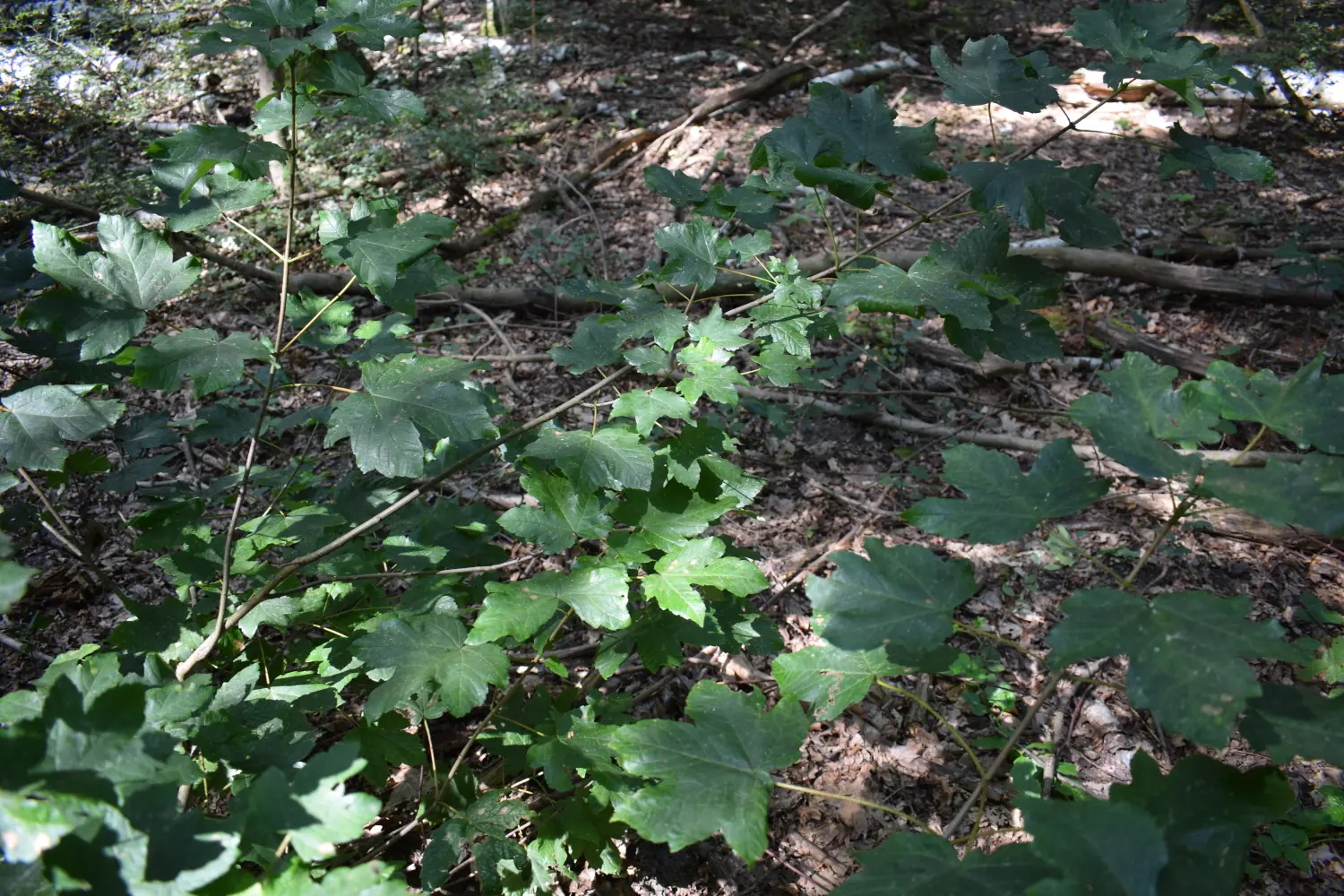
Herb layer: 1 %
Growth classes: 4

Other Information
no impairments found
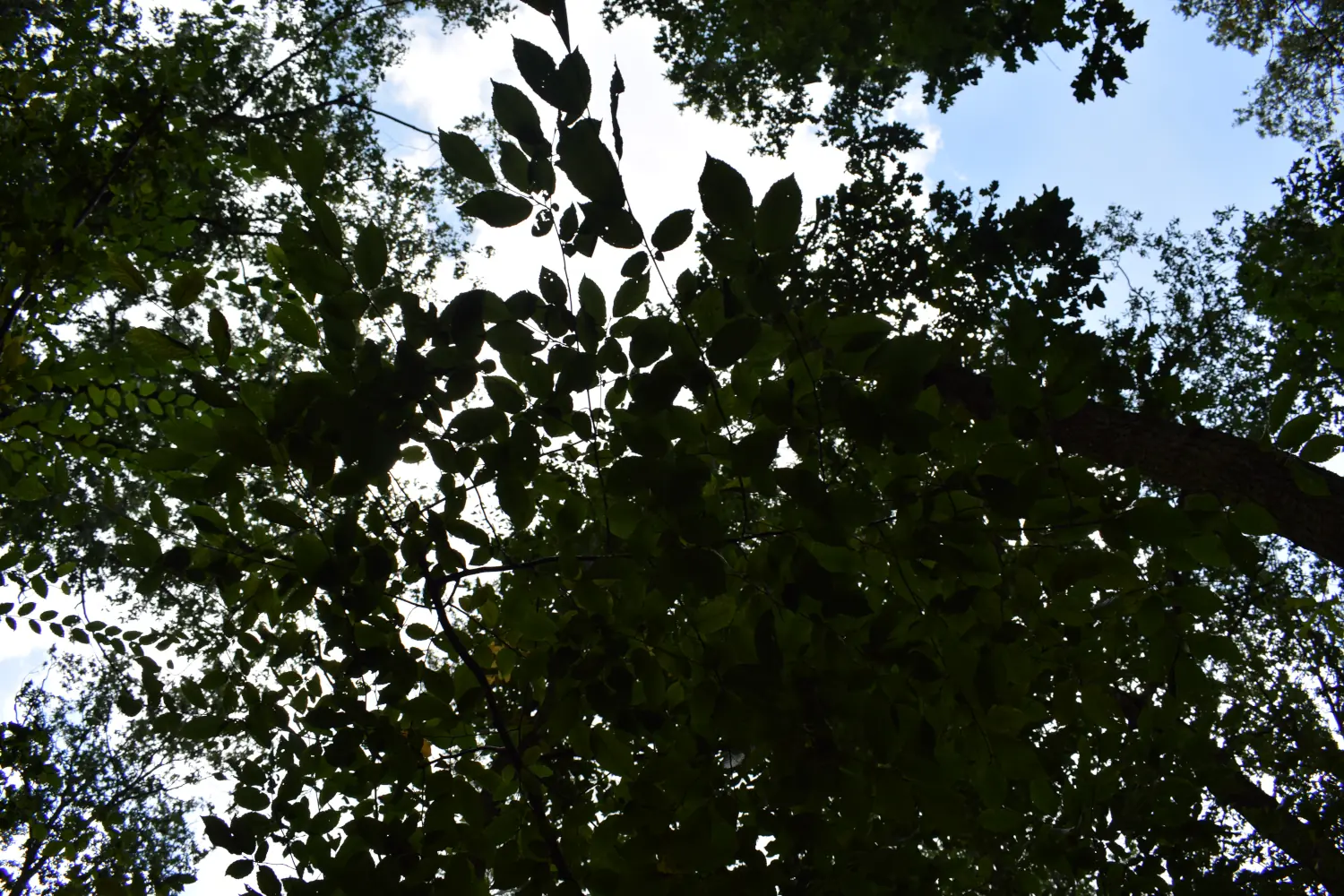
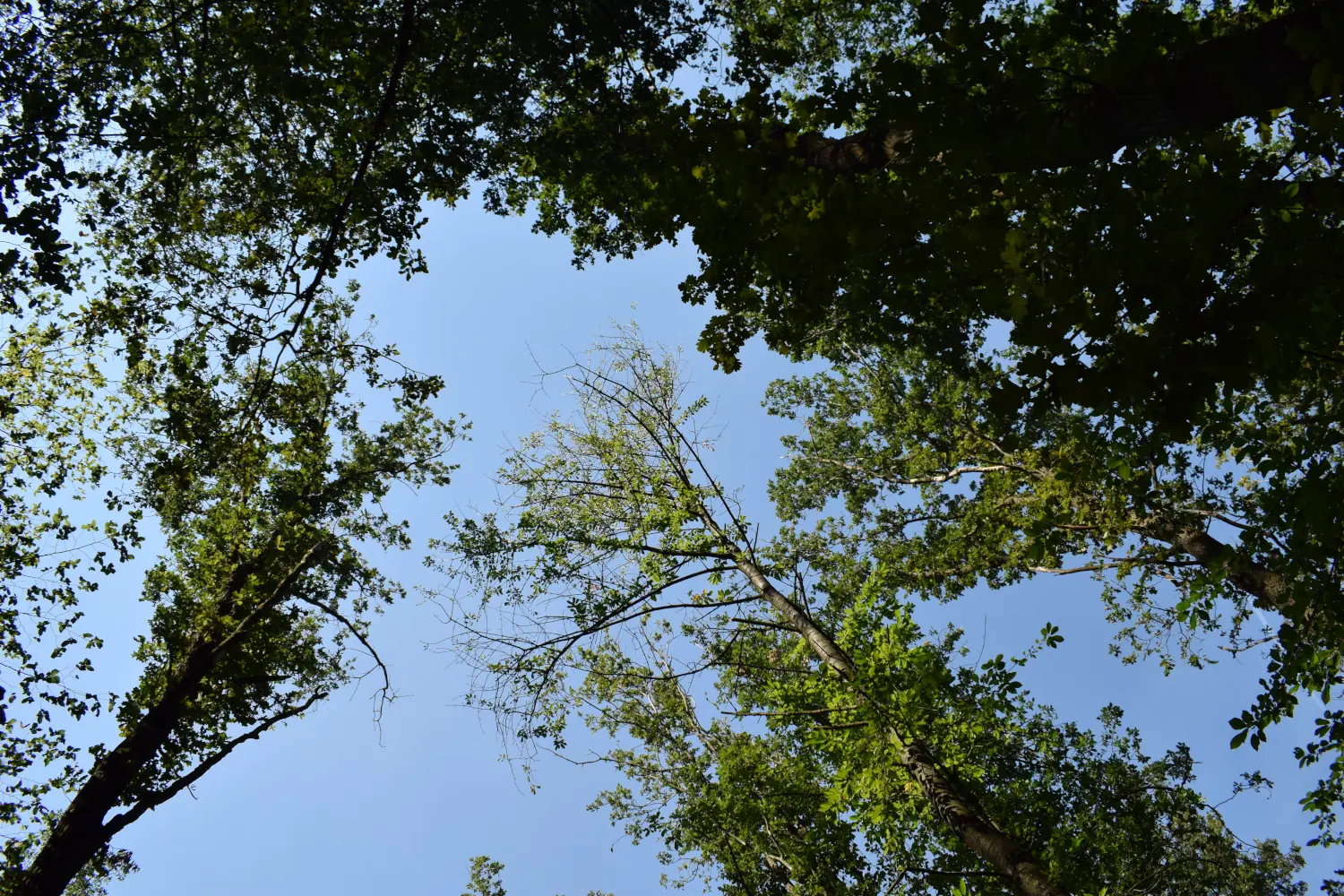
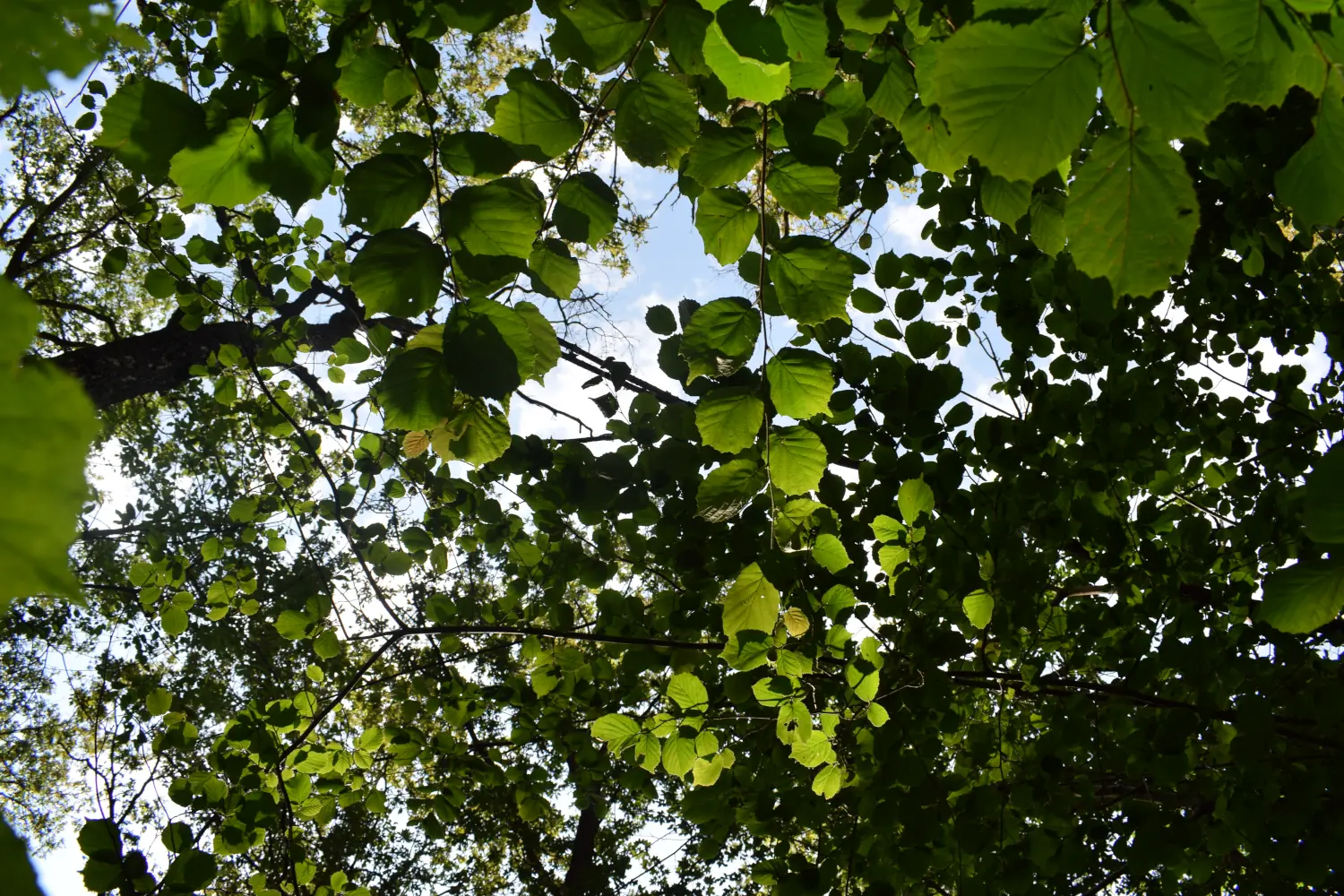
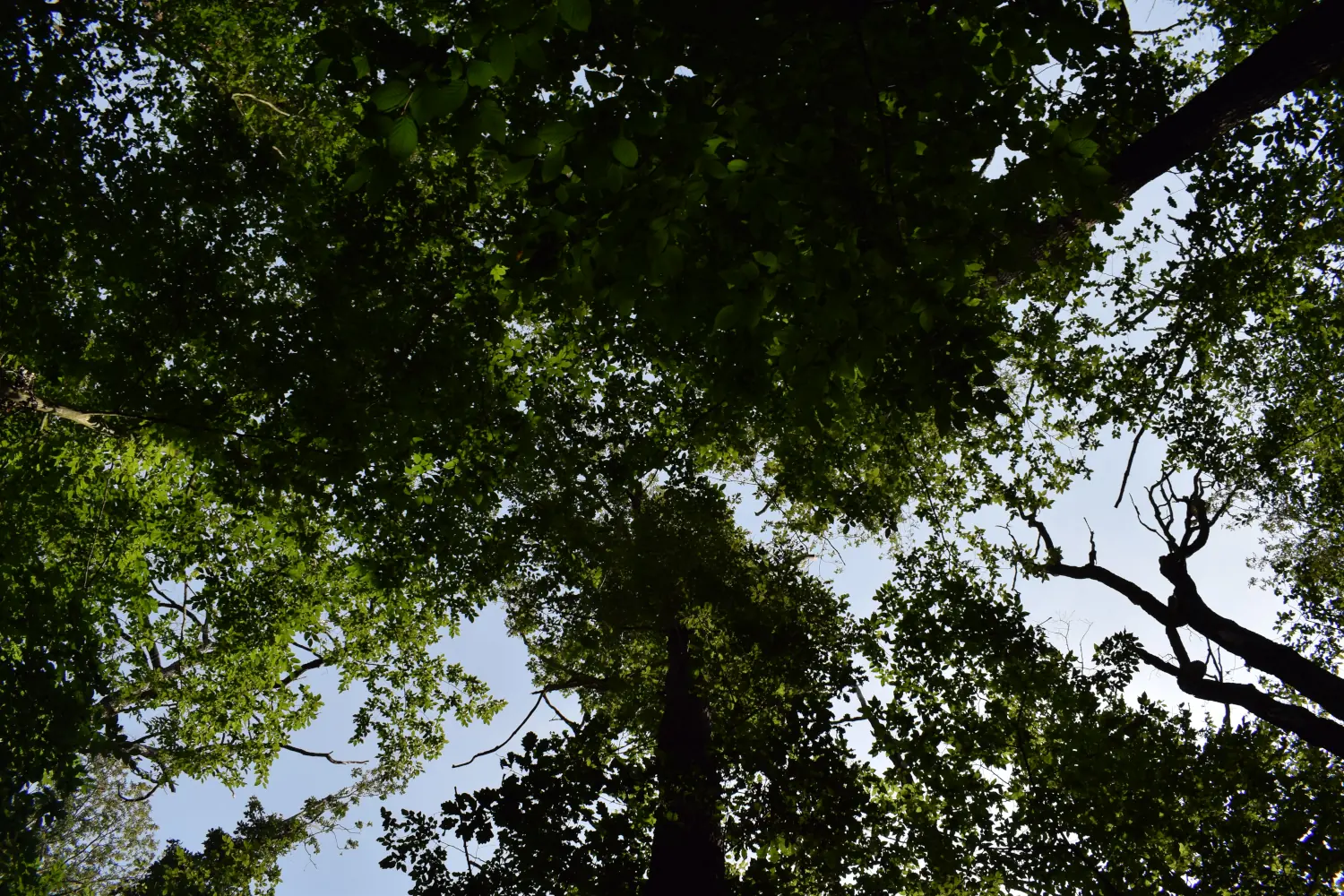
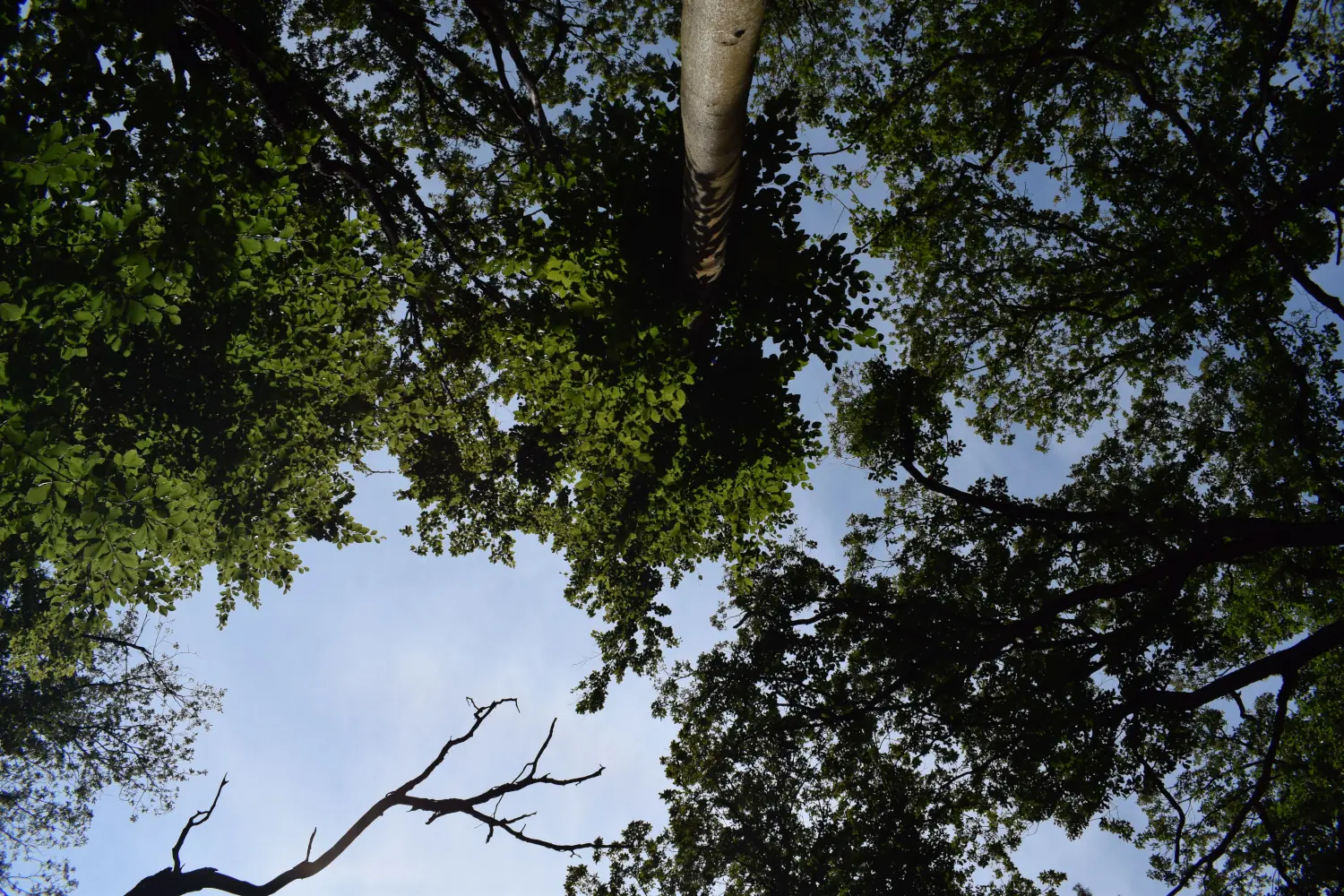
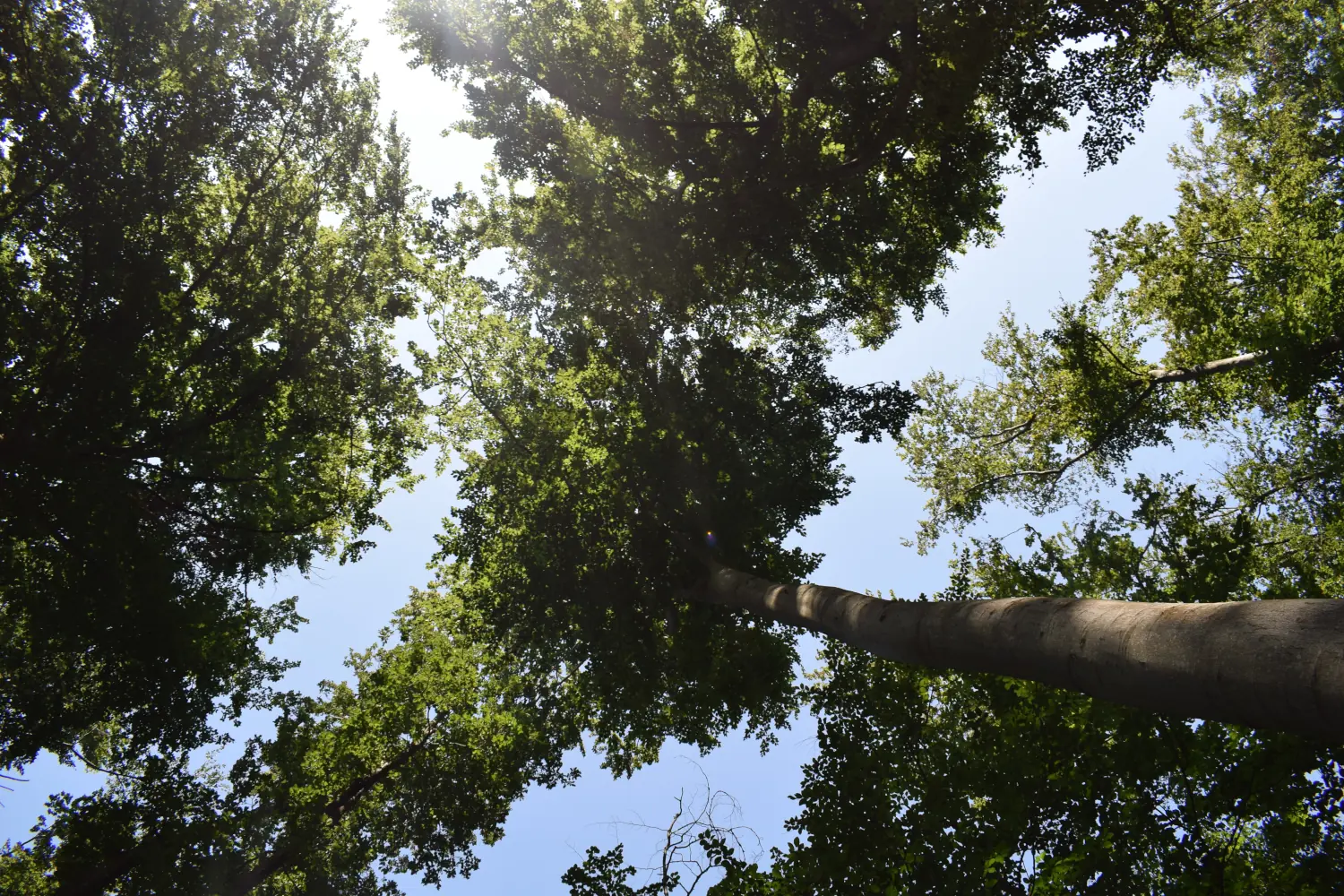
Relative crown distance:
closed
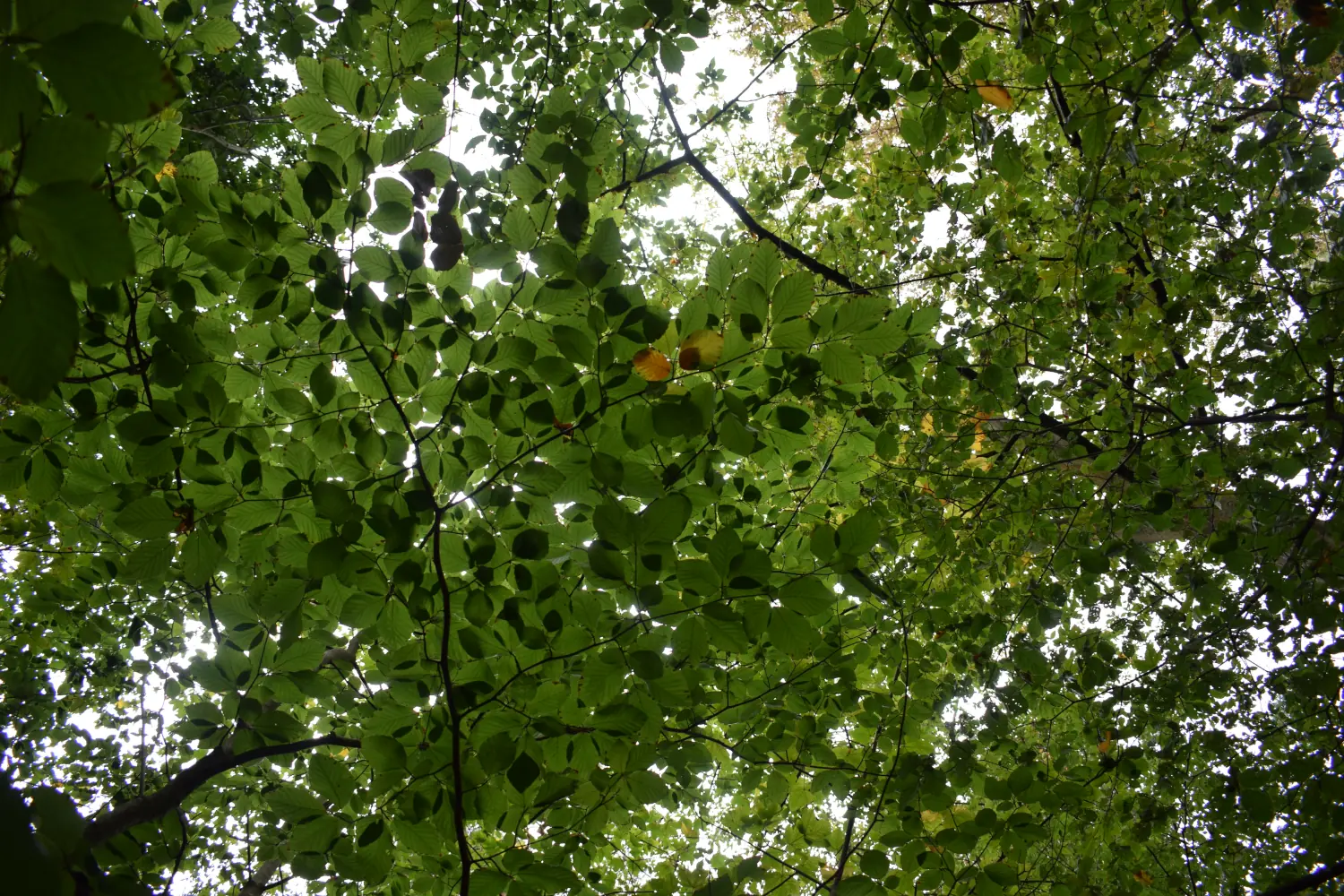
Mean crown defoliation: 58 %